Showing posts with label mental illness. Show all posts

Wednesday, November 11, 2020

My Podcast Interview

I listened to this podcast right after I woke up this morning. 

I've been so nervous ever since Tamara asked to interview me right after General Conference. The interview was via Zoom back on October 14th. 

I'm so grateful it wasn't a disaster! That means God was totally involved. So, yay!! 

I'm also grateful to have this small summary of my journey--since my book isn't nearly as easy to get through. Writing is still so hard for me and I'm still such a beginner. 

I've been listening to her book on Audible and I'm seriously so impressed with Tamara's talent--with that and with the podcast. 

I'm really grateful that she reached out to me, so that I could meet her. 

I've gone back to listen to several of her podcasts, and I always feel uplifted. It's a great resource during these COVID-19 times and also as we head into the gray days of winter. 

I hope there will be something helpful in what I say, if you choose to listen to it. 

  • Here is the information she sent me this morning:

Your interview is LIVE and will be listened to by the Stories of Hope in Hard Times audience today! That is pretty sweet considering you rocked the interview! 

I will be sharing your podcast on all of my social media accounts—Facebook, Instagram and Twitter. Your podcast information will also go out in my newsletter today. 

Thank you for sharing such an amazing story of hope! 

Click this link to listen to your podcast and see your show notes and transcript on my website. 

You can also find it on YouTube here: https://www.youtube.com/watch?v=fuGdoLgmpls 

You can also listen to your show on other podcasting apps and websites: iTunes or Podcasts, Stitcher, Podbean, Soundcloud, YouTube, iHeartRadio, and even at https://resiliencetalk.airtime.pro/#

Have an awesome day and enjoy sharing your story of hope! 

Tamara 

Sunday, October 11, 2020

Doubt and fear during moments of emotional struggle

Last night, it felt like I was starting to slide back into a depression. (Bipolar disorder is so tricky because the cycles can occur several times during a day, week, month, or year.)

I felt so sure that I was supposed to post all those details about my recent struggle on Friday, but then I started to panic that it was divulging too much personal information for anyone to read. (And what if it was just because I was having a hypomanic episode?)

I wondered who else might read this blog, since the podcast host read it prior to deciding to invite me as a guest next week. However, if she felt inspired that my story could help other people, then maybe that was one of the reasons it was important to make my blog public in the first place. 

I used this blog as an accountability tool as I struggled to write the first draft of my book. I have edited parts 1-3 so far and have made hundreds of revisions to what was originally posted here. However, I have put the project away for awhile, since it has been one of several activities that have taken my focus away from my family. 

I switched this blog to a private one last night before bed, so that I could stop worrying while I was trying to go to sleep. 

This morning, I decided that it was important to leave it public, in case it can help someone who is struggling. 

There may be flawed links or errors in my writing (especially since the original posts are just first drafts of those chapters). There is also a lot of repetitive information as I've been trying to sort through my thoughts and feelings in the recent posts. 

Bottom line: I am a flawed and imperfect human who struggles with mental illness. However, God can use me, or anyone else who is willing, to bless the lives of His children. Sometimes He uses our weaknesses to help others who struggle in the same way. That is my hope with leaving this blog available. 

Happy Sabbath. :)

Friday, October 9, 2020

Unexpected invitation and God's timing

Yesterday afternoon, I was unexpectedly invited to be a guest on the "Stories of Hope in Hard Times" podcast. The text from Tamara K. Anderson came as I was having a Zoom call with my life coach yesterday afternoon. 

  • I explained in my reply: 

We were discussing how my faith in Jesus Christ can help me learn to see myself as He does and how my value isn't connected to my productivity or my challenges. I just surfaced from a few weeks of a difficult depression, so if your text had come a day earlier, I probably wouldn't have had the courage to accept your invitation. Thank you for the opportunity to try to be helpful to your listeners. I didn't write much from a spiritual angle, but I can talk more about that if you would like me to.


  • This is how Tamara described her podcast in the follow-up email: 

"My goal is to spread hope, especially to those who are exhausted and overwhelmed right now in their trials. More than anything I want people to glean a glimmer of hope as they listen. Hopefully they will leave uplifted and with the idea that 'if they could do that, I can hang in there a bit longer in my trials.'"


  • I sent her the completed questionnaire and "head shot" yesterday evening and she responded this morning:
I am so glad you accepted. As I was praying about who I should invite to be on the podcast yesterday, I felt I was supposed to invite you…so, God is in the details. I can’t wait for next week.

  • This is the reply I just sent:
Thanks, Tamara. I believe in prayer and God's timing. I'm continuing to learn how timing is an important detail ("tender mercy") when our prayers are answered. It helps us know He is aware of us in a more intimate way

I wrote several long "thought downloads" to my life coach beginning on Saturday (before General Conference) and ending Wednesday evening. The combination of ten hours of General Conference, lots of prayer, and emptying out my brain like that are the reasons I finally pulled out of my depression. I had to put away my book on September 17th after several revisions of parts 1-3 because it was just making the situation worse. 

I had the chance to walk and talk with two dear friends on the Friday before and the Monday after General Conference. I hadn't seen either of them during the previous weeks of depression. Then my younger sister "just happened" to drive here from Colorado a day earlier than planned on Wednesday night and we walked and talked yesterday morning. 

She is my only sister and is one of my dearest friends. She understands and loves me completely, even though she knows all the less than positive things about me and my life. I read the thought download emails to her toward the end of our walk. As she was leaving, she said that she thinks I didn't have a mental block or a "nervous breakdown" over my book--she thinks there is just more of my journey that will need to be included before I can finish it. I had never thought of it that way and it gave me hope. Writing is very difficult for me and it doesn't come naturally. It helped me to not feel like I failed at something I worked so hard on after all. 

After listening to a couple of your podcast episodes, I decided to post those thought downloads on my blog today. 

Your invitation came at precisely the right time. God prepared me to be able to say yes--and gave me time to be introspective, which may help us talk about what most needs to be said for your listeners during the interview. I will continue to be prayerful between now and then.

***

One other side note: Tamara is the cousin-in-law of my good friend. My friend, her children, brother, and parents have all helped me with many temple ordinances. I am so grateful to her and them. She sent me this text on July 2nd: 

"I was just talking to my cousin's wife who does a podcast on having hope during hard times. She asked if I had anyone I thought she should interview and I sent her your number because I think you are amazing and articulate. So if you hear from Tamara Anderson it's my fault."

My friend is a BYU English professor, so that is high praise coming from someone who is as amazing and articulate as she is. 

I thought Tamara would never contact me and I hadn't thought of it since that text. So, here we are a little over three months later. 

God's timing. I'm so grateful for how he orchestrates so much behind the scenes to bless each of us. 

Podcast preparation

  • This is how I filled out the questionnaire the host of the podcast sent yesterday afternoon:  

1. Tell me a little bit about yourself, so that I can introduce you on the podcast. (Ex: where you have lived, worked, passions, awards, family, creative endeavors or personal interests important things to you). This is a little bio of sorts. Please write in the third person and keep it to five sentences or less. 

Wendi grew up in Palmyra, New York; Orem, Utah; Tallahassee, Florida; and Longmont, Colorado. She has been married to John for a quarter of a century. They are the parents of two adult children and grandparents to a very loved baby grandson. She enjoys walking and talking with friends and family, taking pictures in nature, and spending time with her grandson. 


2. What is an interesting little known fact about you?

My Tetris skills help me with closet and drawer organization. :) 


3. Please share with me some of the “hard times” you have experienced and would like to share on the podcast. 

* I have struggled with clinical depression for most of my life. My actual diagnosis is Bipolar 2 Disorder, which is heavy on depression interspersed with periods of elevated mood called hypomania. Along with that, I have struggled with social anxiety, which made it very difficult to leave my house for several years. I also have overlapping challenges with generalized anxiety, perfectionism, and some obsessive compulsive tendencies. 

* I was diagnosed with Multiple Sclerosis in January 2013. My right side has different levels of loss of feeling and discomfort from my ribs to my toes. My “uniform” has become heavy skinny jeans and very supportive sneakers. When I wear that combination, I have less discomfort and can walk without limping. 

* My husband and adult children no longer believe in the same way I do and no longer participate with me in organized religion. However, they continue to be some of the best people I know. This unexpected circumstance has caused some ongoing dissonance and loneliness in my life since August 2012. 

* Our children both had some medical conditions, which ended up triggering long-term emotional distress for me. Our son was in the NICU for the first 10 days of his life. Our daughter suffered from epilepsy during her growing up years, which required me to stay in the hospital with her for almost two weeks on two different occasions. 


4. What were the top 3-5 lessons you learned during your "hard times?” (You can list more than 5 if you want). 

* Comparing my life, accomplishments, or progress with others often causes discouragement and self-doubt. 

* We each have different strengths and weaknesses that give us the ability to influence, contribute, serve, love, empathize, and connect with people in unique and important ways. 

* Perfectionism isn’t the same thing as perfection. It causes unnecessary suffering in the form of stress, shame, and guilt while trying to achieve the impossible. 

* Walking in the fresh air and sunshine can help almost any problem seem a little more manageable. The act of moving your body and choosing to put one foot in front of the other is an effective way to change the direction of your thoughts—and eventually your life. 

* Focusing on “small or something,” instead of “all or nothing” is helpful when feeling immobilized by anxiety, depression, or perfectionism. Breaking large problems into smaller ones or choosing to just “do the next right thing” is a powerful way to cope with feeling overwhelmed. 

* Mental illness is not a character flaw and when we talk about it more with others, we can lessen the stigma surrounding it, along with understanding that it affects many more people than we realize. 


5. How have you changed or what have you done differently because of your challenges? 

* I gradually learned to face my fear of leaving the house by walking to nearby destinations each day—to shop for a few items or run small errands. 

* After that, I continued learning to overcome my social anxiety by going out of my way to visit over 500 women. In the process, I was able to help several who also suffered with depression and anxiety. I also found some dear friends who have been an uplifting and supportive influence in my life. 

* Those activities built enough confidence in myself to return to college and earn an associate degree at Utah Valley University when my daughter started attending there after high school graduation. I was never able to take more than 6-9 credits each semester, but I rarely missed class and learned to turn in homework assignments early (unlike the first time as a young adult when I was often immobilized by anxiety and depression). 

* It also gave me the courage to move to a new home that we built to better fit my needs for MS. We lived in a four-level-split for over 18 years, but it became too difficult for me to climb stairs several time each day. So we built a home across town with main-level living and room to accommodate possible future wheelchair needs. Because of that, we have a place for our daughter and grandson to live in our basement. 

* I am still trying to learn how to self-comfort, instead of self-criticize. Showing compassion for others in their difficult circumstances is much easier for me than extending that same compassion to myself. 

6. Do you have a favorite Bible verse that you would like to share that became meaningful to you during your difficulty? 

* Philippians 4:13 ~ “I can do all things through Christ which strengtheneth me.” 

 (That verse has helped me develop self-confidence and the strength to overcome anxiety and discouragement.) 

* Proverbs 3:5-6 ~ “Trust in the Lord with all thine heart; and lean not unto thine own understanding. In all thy ways acknowledge him, and he shall direct thy paths.” 

 (Those verses have helped me better cope with difficult circumstances that have been confusing and overwhelming in life.) 

7. Are there websites, books, music or other resources you would recommend to someone in a similar circumstance? 

The music and especially lyrics of Hilary Weeks (an inspirational, Christian singer) has become a type of soundtrack to my journey. In addition to her many CDs, she now has an inexpensive subscription program called “Live All In” where she releases a new song with additional material each month. More than anything else, her music helps interrupt the downward spiral of my thoughts and begins to replace them with more uplifting thoughts. 


8. Do you want to be able to have people contact you after the show? (Ex: on a website or on Facebook if they really connect with you and your story). If yes, please share your contact information. 

If people wanted to contact me, my writing blog is “Wend Your Way.” I’m not currently posting on it, but it includes many of Hilary Weeks’ lyrics, along with experiences and lessons I’ve learned during my journey. People could leave a comment with their contact information there.

*** 

After listening to 2.5 episodes of her podcast last night and this morning, I decided to post several updates—so there will be more than just half-finished book chapters on this blog. It has been very soothing to the anticipatory anxiety I was starting to feel about the upcoming interview, which will be on Wednesday morning. 
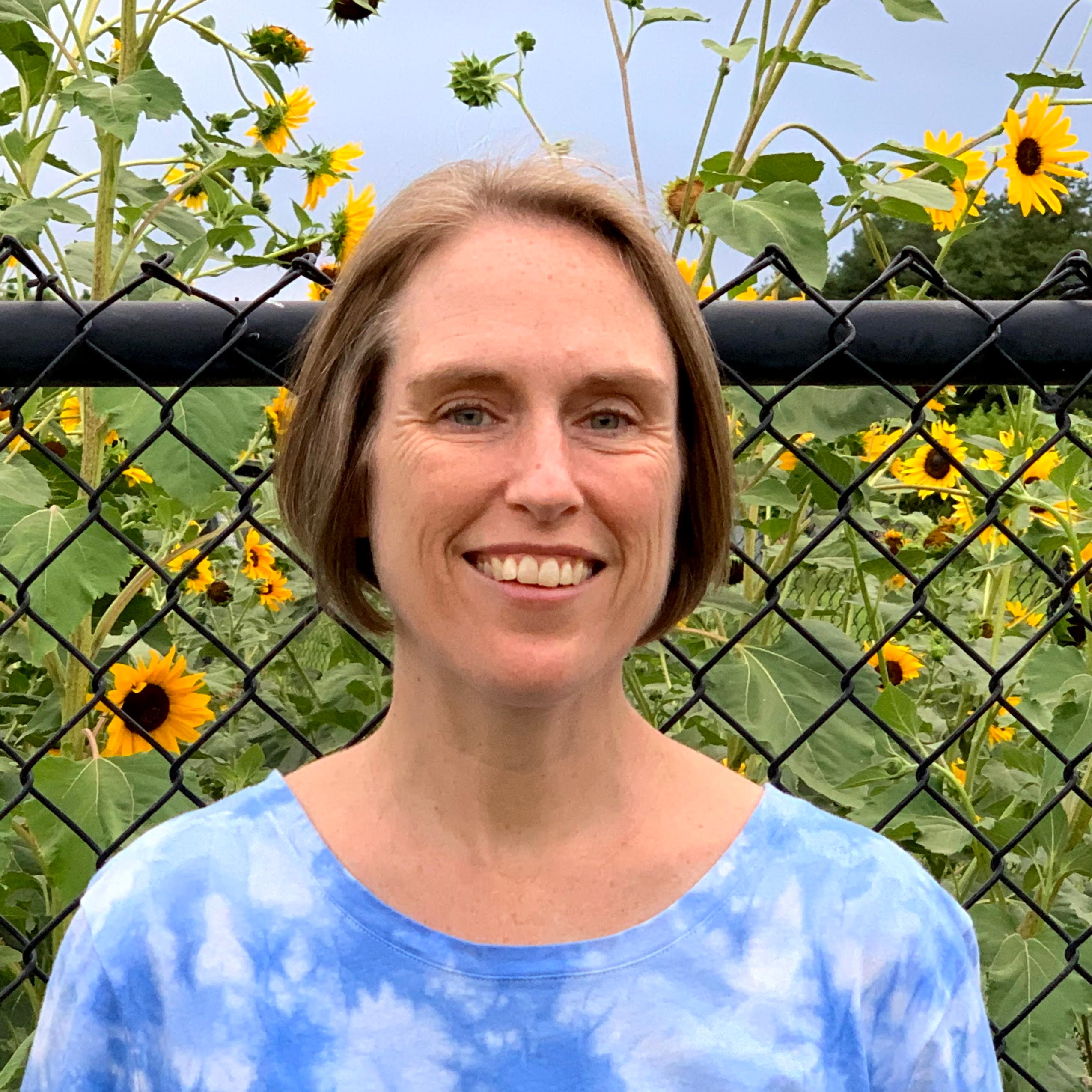
This is the "head shot" I sent
(my husband took it down by the Ashton's house on one of our walks a few months ago)

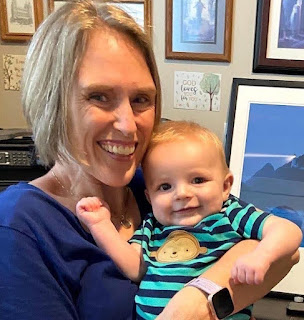
This is the picture I wish I could have sent.
It was taken of me and our grandson at the beginning of August. 

Piecing events together (third thought download to my life coach on October 7, 2020)

  • Here is what I'm piecing together as I look back on the past six months (edited for this blog): 
Back toward the beginning of our coaching, I expressed disappointment in my prayers and how I felt like I had to gear up for prayer, like it was an event. I basically stopped praying on my knees in the bathroom before going to bed and just kept praying in my mind. But then my mind started not functioning as well. I was looking more and more to coaching sources for answers because I was trying so hard to make progress with our coaching experience. That meant I spent less time on truth from God's sources—although I think coaching and the gospel can complement each other in a beautiful way. 

During that time, I also felt strongly prompted to start writing my book—and made more progress than I have ever made before. I really do believe that I was receiving magnifying and enabling help from heaven. So I spent a little over two months focusing on that project almost exclusively. I stopped watching the "Don't Miss This" videos, which was how I was studying for Come Follow Me, and didn't spend much time in the scriptures—other than searching them and Ensign articles for verses and quotes that inspired the journey I was writing about in my book. I think that's why I was so confused and eventually defeated when my husband kept telling me I couldn't quote them nearly as much as I was. 

Meanwhile, there were no ongoing temple ordinances or refuge from the storm that I found within the temple walls—which used to occur several times each week. There was no more family history (which was effectively turning my office into a temple), institute classes (twice a week for the previous year), church family, or friends strengthening me (except for a handful of walks with my friends—when it used to be 2-3 times weekly). There was just an occasional walk or talk with my ministering sister (who is on her own confusing journey after two years of crisis and turmoil surrounding a difficult situation.) It was just me in a house full of people who don't believe in ways that are supportive to my faith. No ministering brothers (except for one or two texts), no family members I could trust with my emotional or spiritual health (except for my sister and it's hard to figure out a time to talk on the phone), no priesthood blessings, no outside guidance—other than coaching, coaching podcasts, and Instagram. 

The bishop gave my husband authorization to administer the sacrament to me, but he doesn't believe, so he couldn't ever say anything spiritually uplifting. So my church was just listening to "In Humility, Our Savior" by Hilary Weeks while I got myself and our bedroom ready to be a place of sacramental worship. Sometimes, prior to that, I listened to "Broken" by Kenneth Cope (along with a few other EFY songs) while I was taking a shower before getting ready. Therefore, my last lifelines to spirituality were the music and lyrics of Kenneth Cope and Hilary Weeks—I wasn't listening much to her other music because I needed to focus while writing my book. Then I had that complication with Hilary giving permission to use the lyrics in my book after all. And my communication with Kenneth was also very unsettling, although he tried to be supportive. They don't actually know me in real life, though, so that isn't their fault. I think that communication with them ended up being the last crushing blows to the small shred of spirituality and self-confidence I had left. I used to listen to hymns by Vocal Point in my car, but I have driven my car only a handful of times in the past seven months. 

The overarching theme has been that my husband has felt more stress and pressure than he's experienced in 15 years because of the complications to his two jobs by COVID-19, while also trying to earn his master's degree online. He needed more than I could give in support and he had very little energy to give me much support in my challenges. Meanwhile, therapy and coaching were becoming more and more heavy and draining—and, suddenly, all the self-introspection brought self-hate and self-doubt rushing to the surface. Then I started watching our grandson part-time, which left me sleep deprived and emotionally unstable. 

I read these verses in 3 Nephi 18:18-20 last night and again this morning: "Ye must watch and pray always lest ye enter into temptation; for Satan desireth to have you, that he may sift you as wheat. Therefore, ye must always pray unto the Father in my name; And whatsoever ye shall ask the Father in my name, which is right, believing that ye shall receive, behold it shall be given unto you." 

One of the reasons I have avoided those verses in the past is the one that follows them in verse 21: "Pray in your families unto the Father, always in my name, that your wives and your children may be blessed." There hasn't been family prayer in our home for several years. So, I guess the final verse was causing me to feel doubt about the previous two verses. 

And I'm learning more and more that Satan is mean. He can't cause mental illness, but he will definitely exploit any weak spots a person has. I think I was kind of being "sifted like wheat" in every direction. 

I never sent my coach the first 16 chapters of my book. Those are the ones that discuss the spiritual and emotional side of my journey. I discussed the compensatory blessings I've received, even though my prayers haven't been answered about my family's unbelief in the way I have hoped. But most of those spiritual compensatory blessings gradually disappeared as the pandemic went on and my isolation became more destructive. My coach only read the social side of my journey, which is the section I was editing during the last part of these challenges. That part wasn't giving me the spiritual upliftment I needed along the way, and it also emphasized how those things were no longer a part of my life—which is why I started feeling like a hypocrite. 

That is why I was feeling so parched and empty coming into this General Conference. The first session was all tears. The second session started my recovery. The third session began giving me the answer to switch my focus from coaching sources to gospel sources. The Sunday morning session gave me my definitive answer to shift my focus fully back on Jesus. 

By the time the final session ended, I was drained emotionally because conference weekends are the most difficult weekends of the year at our house. I am in my office with the door closed for ten hours—which pushes everyone's buttons. And, it's "insult to injury" for them that it's ten hours listening to people they don't respect, preaching things they don't believe in (and they feel that preaching drives a wedge between me and them). 

Does it make sense? I take full responsibility for my errors in judgment along the way. But I also feel like my physical/emotional illnesses played a part in that—although I'm trying not to use that as an excuse. And I understand that circumstances are neutral, but I think this particular combination of circumstances was a difficult set for me to manage with the challenges I was dealing with behind the scenes. 

So, that is why I'm confused about the coaching experience at this point—especially since I spent $2K on it over the past six months. I think I was supposed to quit listening to other coaches (since they are just dispensing general coaching), but not quit working with you (since it's more personal). I also think that you're probably the only coach in the world who has the empathy and spiritual strengths that I need to help me recover from this unfortunate situation I've ended up in. I feel like I've made the proper course corrections, but I also feel unsettled about my level of self-confidence as I continue my progress on this correct path. 

I'm also anxious about focusing too much on my thoughts and feelings because it seems like that is part of the reason I gradually ended up in this situation. That is my understanding at this point, but I'm not trying to discharge blame. So I'm hoping that the combination of Jesus, my coach, and me can help me back onto solid, steady ground over the next month. 

Roller coaster of emotions (summary while trying to find another therapist)

  • Brief summary of this blog (and hopefully a finished book someday), along with a recent update:
I walked and talked my way back to good health on my own and with others from 2010 to 2018. I progressed from wishing I could die and rarely leaving our bedroom (2008-2010) to walking to destinations all over town in order to safely leave the house without having to interact much with people (2011-2013), followed by facing my social anxiety and visiting over 500 women (2013 to 2015). I also went back to college and earned an associate degree (2015-2019). During a break from college, I actually made "Walking with Wendi" cards and handed them out to friends and family to continue focusing on walking and talking. I was diagnosed with bipolar 2 disorder in 1994 and then I was diagnosed with MS in January 2013—so I believe walking has literally saved me, both physically and emotionally. 

Unfortunately, COVID-19 has gradually reduced my functionality, since I have been to very few places in the last seven months because of MS. Most of my friends are dealing with their own situations, so I lost most of my walking and talking time. And much of my anxiety, depression, and obsessive compulsive tendencies have gradually returned because of the isolation. I'm sure that is a common story for a lot of your clients. Our marriage therapist and my coach repeatedly asked me to go deep into those dark places and explore my thoughts and feelings—I ended up getting trapped in a self-hate, self-doubt, shame, and guilt storm. I'm gradually pulling myself out of it this week, but it has been a tough combination of circumstances. 

I'm an active member of The Church of Jesus Christ of Latter-day Saints and I met my future husband as missionaries in the same mission. We were married in the temple in 1995, but he told me he is an atheist in August 2012 (that's the easiest way to describe it, although I don't believe in labels). That was difficult for me to understand, but I've been trying hard to figure out how to make our relationship work ever since because he is still one of the best people I know. Our adult daughter has a nine month old baby and she and her boyfriend live in our basement—I babysit him part-time while my daughter is finishing her degree. Our adult son also lives with us and has some emotional challenges (similar to mine) as well. They both attend UVU and are good people, but they also believe very differently than I do. So I have a lot of ongoing dissonance, but have tried hard to adapt as much as possible through the years.

* I emailed that summary yesterday afternoon to a therapist that I hope to begin meeting with in the future. 

  • I sent this follow-up email this afternoon: 

So much has happened since I sent that original email from Psychology Today prior to General Conference beginning on Saturday morning! 

I asked to resume meeting with my life coach for the remaining four sessions that I had already paid for. I have written several lengthy thought downloads to her since Saturday morning (before General Conference). My thoughts have gradually become clearer during that process and I'm so relieved to finally be surfacing from this depression I've been wading through for the past few weeks. I asked if she would please just coach me from a place of Jesus Christ being at the center of the self-coaching model (Circumstances -> Thoughts -> Feelings -> Actions -> Results), since my thoughts and feelings sometimes aren't reliable when I'm dealing with mental illness challenges. 

We had a really helpful Zoom session yesterday. During that session, I received an invitation by text to be a guest on "Stories of Hope in Hard Times" podcast. I have been trying to write the book that people have been encouraging me to write about my journey over the past six years. I used this blog as an accountability tool for the first draft (July 5 - August 18, 2020). I feel that I was strongly prompted to begin writing again (prior to this, I have never been able to write more than a chapter) and felt the magnifying help from heaven during the process—but I also believe that it must have been during a hypomanic episode. 

A friend recommended that the host interview me and she reached out after looking at this blog. I gradually descended into this depression after working on the 2nd and 3rd drafts of the book (I decided to put the half-finished project away on September 13th). My mental health really declined because I became more and more sleep deprived, since I needed to wake up at 7am Monday-Thursday to watch my grandson. (My MS often keeps me up in the middle of the night and there was no opportunity to sleep in a little longer once the babysitting started on August 24th). I have taken Wellbutrin XL 300 mg and Lamictal 100 mg since I began walking back in 2011. My psychiatrist has told me before that bipolar swings are often preceded by sleep deprivation. 

 Anyway, I am trying to be very careful because I don't want to take on too much now that I'm feeling better again. So, I decided to take a couple of hours today to post my thoughts on this blog (I stopped posting on it after the first draft was completed) in preparation for the podcast interview on Wednesday morning. After that, I hope to set it aside and force myself to take a shower and move on to something less anxiety producing. 

Friday, July 31, 2020

Chapter 24: Focusing Less on Outcomes (part 2)

            I attended the luncheon afterward to help serve dessert. While I was there, I met Dee’s sister-in-law and sat at a table with one of Janell’s nieces and her family. That helped me feel more connected to Janell. As I mentioned earlier, I met Janell’s half-sister on the day we found out about her death in April. Over the months that followed, we kept in touch by text and email. I also treated her to lunch and I appreciated the opportunity to talk with her again in person. She reminded me that Janell talked about our walks often. She felt that no one did more to help Janell be happy than I did before she died. I was so thankful for that privilege and opportunity that God gave me! About two weeks after our lunch, Janell’s husband died suddenly in mid-August 2014. I don’t think the timing of our lunch was a coincidence. Because we were now friends, I stood by her and her family at Dee’s graveside service. His ashes were placed in the grave with their daughter and Janell’s ashes had previously been placed in the grave with their son. After the service, I talked with the daughter of Janell’s half-sister and her two children. I don’t think that as a coincidence either.

            I ended up visiting Janell’s half-sister and niece several times in Saratoga Springs. I also met Janell’s niece for lunch a few times. They had returned to Utah from Seattle within that past year and, while they were up there, they became active in the church again because of the kindness of missionaries and several members of their ward. God obviously knew they would need to continue to feel His love after they returned to Utah, so I think that was also part of the reason I was supposed to knock on Janell’s door. Otherwise, I probably would have never met them, since they live 30 minutes away from me. My friendship with Janell’s niece continued and we met at the temple several times. This strengthened her to deal with some difficult circumstances in her life and it was also good preparation for when we did Janell’s temple work on May 12, 2015. I was so grateful for the privilege of being with Janell’s niece when she did the initiatory and endowment for her aunt that I loved. At one point, I just held Janell’s temple card to my heart and hugged it because I loved and missed her so much. That day was filled with feelings of great joy. The Lord had clearly been orchestrating this whole situation from the beginning. There is more to this story, but I will continue telling it in a future chapter.

 ***

            Meanwhile, I continued to visit women in our stake. I visited one woman on May 7, 2014 (which was 15 days after Janell passed away). During our visit, she asked me to try to help her daughter, who had also struggled with serious depression for over 20 years. I knocked on her daughter’s door each of the following days and she finally opened the door four days later on May 12th (which was exactly one year prior to the day that Janell’s niece and I completed her temple work). She invited me in and we quickly became friends. She was extremely overweight and deeply depressed, so we started walking together when she returned home from work on most days. Janell and I had walked in the afternoons as well, so each walk helped to heal my heart. Most of the time, this friend picked me up after she decompressed from work and we usually drove up the canyon to walk by the river. That beautiful, relaxing atmosphere was the perfect venue for gradual changes in her life

            I learned more about her life each time we walked and talked. She self-harmed by cutting her arms for several years and both arms were covered with scars. She was the middle daughter in a family of nine children and felt neglected on several levels. She had been in a relationship with a verbally abusive boyfriend for a few years and didn’t stand up for herself because she felt that she didn’t deserve to be treated any differently. She stayed in the relationship because her boyfriend had MS and his health was progressively deteriorating, so it gave her life some purpose to help take care of him. When they started dating, he asked her to stop cutting and she did, so she also felt indebted to him for that. She was actually diagnosed with Borderline Personality Disorder, in addition to depression, and that manifested itself in several other ways. She constantly dyed her hair different colors and would often wear different styles of wigs over her hair as well. She eventually shaved her hair completely and continued to just wear wigs instead. As I observed this over several months, I realized that it was probably because her hair was one of the only things about her life she had any control over. She also had limited money management skills and spent most of her paychecks on clothes, purses, and eating out. She often let her mail pile up and wouldn’t open her bills, so she was sent to collections several times, along with some of her wages being garnished.

            I tried to help her through some of those difficult circumstances with varying degrees of success over the following 2 ½ years. After knowing her for a couple of weeks, I felt prompted to suggest that if she stopped eating out for most of her meals, she would have enough money to pay all her bills, she could start paying tithing if she wanted to, and would probably lose some weight as well. I’m normally not quite that bold! She actually listened to me, even though she could have easily chosen to be very offended. As a result, she lost 70 pounds during the next year and felt better emotionally because of our regular walking. She sometimes forgot to fill her prescriptions, so I always offered to go with her to make sure she picked them up, since it was very important for her mental stability. I often walked over to her basement apartment to visit her and helped her redecorate in August 2015. She chose some of her favorite patterns from my scrapbook paper and I cut out large letters to make an uplifting saying for her bedroom wall, at her request. The phrase she chose was, “When you learn you grow. When you grow you change.”

            She was stable enough to have the same full-time job for several years, which was a huge accomplishment. However, she constantly struggled with her finances. After about a year of watching her flounder, I asked if she would like some help, since I have a talent of keeping track of our finances. I helped her make a budget, but she struggled to follow it. I showed her how she could pay off some of her credit cards and even went with her to the bank, but she always maxed out the balances again. After a few weeks, we decided to add her accounts on my Quicken program, so I could help her track her spending. She made progress for a few days and then she would blow all her money on wigs or purses. This pattern occurred frequently and it was frustrating for me, but I continued to try to help her. I discovered during this time that she always remembered to pay her car payment. I asked her why that was different and she explained that the title was in her boyfriend’s name, since she couldn’t qualify for a loan, and she didn’t want to ruin his credit. I realized that the car was another way he could control her. So we worked on several different plans for her to pay off the loan and then she could arrange to have the title transferred to her name. During this same time, I tried to build up her confidence even more than I had in the past and tried to convince her that she deserved to be treated well. She started to believe me, but  never felt like she could break up with her boyfriend because that would include returning the car and she had no way to pay for one herself. Each time she would return from spending the weekend with him, it took me days to build her back up again. That became more and more difficult the longer it went on.  

            In August 2015, I felt strongly that I needed to help her in a way I hadn’t before. I made a few judgement calls to help her pay off and close some of her credit cards, so she could pay down the car loan faster. Then we made a simple plan for her to consistently pay me back over the coming months as well. It worked for about five paychecks and then she found ways to start blowing her money again. The more I tried to help her, the more things spiraled. By October 2015, it looked like I would never get the remaining $1,500 back and that really discouraged me because I thought I had followed promptings. I was also sad because she gained back most of the weight she lost over the previous year. I returned to college that semester, so I didn’t have as much time to spend and she pulled back as well. She rented from a family member and they decided to move, so that meant she had to find a new place to live also. I helped her declutter, clean, and pack up her apartment in late spring 2016 and then helped her move into another small basement apartment in June 2016. I visited her a couple of times to help her get organized, but I didn’t find her home much after that. One time, I did find her home and I spontaneously took her out to dinner at her favorite restaurant. We talked about how she was feeling in the relationship with her boyfriend and she had finally decided to break up with him. She was scared about the retaliation, though, so we discussed a few different scenarios. I didn’t see her much during fall 2016 and I worried about her, but couldn’t force her to communicate with me.

            During that time, she started dating another guy. He encouraged her to grow her hair back out and to stop hiding behind wigs. He also helped her return the car to her ex-boyfriend late one night with an apology note that she wasn’t able to continue paying on the loan. He comforted her through her episodes of depression and encouraged her in other ways as well. They found an inexpensive car to share and she ended up moving out in January 2017. She texted to ask me for money, but I had to tell her no, which I felt bad about. I just couldn’t afford to lose more than I already had. They rented a small house in a poor, kind of scary, neighborhood in Salt Lake county and began living together from then on. I drove up to treat her to a birthday lunch in December 2017 and she still seemed to be doing okay. She surprised me by sending a wedding announcement in August 2018. I helped served lunch at the church, attended the wedding in her parents’ back yard, and stayed to help with refreshments during the reception that evening. That was the last time I saw her and I hope she’s doing well, since she doesn’t respond to my texts. I sometimes think back to the early days of our friendship when she told people that “God dropped me on her doorstep.” I do believe I was in her life to help her in the ways I could and I’m grateful for the time we shared together.

***

            During my visiting journey, I met three other women who struggled deeply with depression and needed a significant amount of support. Two of them were single and both of their moms passed away during the time I was trying to help them. I stood and sat by one of them at the viewing, funeral, graveside service, and luncheon to try to be supportive. Both were borderline hoarders and I spent several months during summer and fall 2017 helping one of them organize the basement of her parents’ house where she still lived. However, every time I went back over, the progress from the previous time had disappeared. It drained my energy and was very discouraging, so I eventually had to take a step back from helping her in that way. However, I did help her move all her preschool equipment twice, which took several days each time. I also helped the other woman move into an apartment in Provo. I walked and talked with them as much as they would allow me to and that seemed to help their emotional state. One of them earned her master’s degree online during those years and is now employed part-time as a therapist. I earned my associate degree during that same time frame, so we encouraged each other through the almost constant stress we both felt. These two women still struggle and have ongoing challenges, but I was grateful for the opportunity to help in whatever way I could over several years.

            The third woman moved from our ward after she and her husband retired. While she still lived in our neighborhood, she struggled with depression and debilitating anxiety for many years. She had complications from a hip surgery that made it difficult for her to walk and also suffered from congestive heart disease. After they moved to a retirement community in Pleasant Grove, her anxiety and depression became even more difficult for her to bear. One day in 2015, I was driving to the Mt. Timpanogos Temple and felt prompted to text her. I stopped by the next time I was in her area and that began the extensive amount of time I spent in her home trying to uplift and comfort her. She often texted me in between the visits and I tried to give her hope until the next visit. She was too anxious to drive very far and feeling trapped at home was part of her struggle. Sometimes her husband dropped her off at a hair salon and I would sit with her to keep her company. Then I would drive her back home. I encouraged her to drive when I was there and just tried to keep her calm from the passenger seat. Often, we would drive to Subway or Purple Turtle for lunch that way. Two other times, I attended an appointment with her psychiatrist and also with her cardiologist to provide moral support.

            After three years, nothing I did or said seemed to help for more than a couple hours. I felt exhausted trying to balance my visits with her, helping two of the women I wrote about previously, keeping up with my college classes, attending the temple regularly, and trying to still have time for my family. Finally, I made the difficult decision to stop visiting her, but we still texted back and forth quite a bit for 1 ½ more years. She sent me a text on the night our grandson was born in January 2020 to tell me she was having heart bypass surgery the next day. I had a strong feeling that she wouldn’t survive the surgery, so I texted back that I would pray for her, told her again how much I loved her, and that I was grateful for our friendship. She passed away from complications later that week. I attended her funeral and couldn’t help but be grateful, even though I was sad, that she was finally free of the mental and physical challenges that had plagued her for so many years.

            My time with each of these women helped me to understand that it’s important to try not to worry about the results when you reach out to others. Kindness or service to others doesn’t need to end in a certain result for the kindness or service to matter. I believe that my kindness mattered to Janell even though that situation didn’t end at all like I hoped it would. I believe it mattered to the others also, even though I wasn’t able to do as much as I wanted to for them. In another type of service, missionaries spend most of their time planting seeds. The changes in people’s lives usually take a long time. I continue to remind myself to not be overly concerned with the outcome of my efforts.


Thursday, July 30, 2020

Chapter 24: Focusing Less on Outcomes (part 1)

* I woke up in the middle of the night with heartburn, which rarely happens anymore. So I got up and worked on this part of the story between 4:30am and 6:30am this morning. I still have more to write, but I will post this and come back to finish it soon.

            The main way the Spirit works in my life is that it prompts me to some kind of action. There are countless experiences I could share about this, but the one I want to focus on is how I met Janell. At the end of January 2014 (almost five months after my original prompting), the sister missionaries asked if they could stop by. I agreed and they showed us a video about doing missionary work in our everyday life. That prompted me to put several names on the temple prayer roll the next time I was there and Janell was one of them. Since I was out visiting people on most days, my hope was that the Lord would cross my path with hers. A couple weeks later in mid-February, I walked to the retirement community near our home, which was something I did regularly. I was helping a friend with several of her temple names and I tried to return the completed card each time. My friend wasn’t home that day, which was unusual, because her husband suffered from the advanced stages of Alzheimer’s disease. As I left her driveway, I was strongly prompted to knock on Janell’s door. She lived next door to this friend, but I never knocked on her door before because a few people in our ward had advised me to not attempt to visit her, since she was no longer interested in attending church.

            She answered the door and I had a brief conversation with her. I explained in my typical animated way that I was enjoying getting to know many of her neighbors to help overcome the social anxiety I had experienced for several years. I asked if I could call her to set up a time to come back and visit her also, since she didn’t have much time that day. She agreed, but I think it was mostly because she didn’t want to reject me entirely, since I explained my desire to visit her in such an enthusiastic way. I called her a few hours later and reminded her who I was. During the beginning of that call, she said (and I quote), “I am a psych nurse. Are you sure you’re not having a manic episode?” Even though she said it rather rudely, I just tried to laugh it off and explained again that I just wanted to get to know more people. I sincerely emphasized that “I used to think people were the problem and now I know people are the answer for me.” She wasn’t completely convinced, so I asked if I could call her back again sometime. I was feeling a sense of urgency, so I called her back two more times over the next few days. She was difficult to talk to at first, but I felt some hope because she continued to answer the phone and I’m fairly certain she had caller ID.

            During those conversations, I learned she was a convert to the church, but hadn’t attended in years. I promised her that I wasn’t trying to visit her because of a calling or church assignment, I just sincerely wanted to know her better. On the third call, I let her know that I wouldn’t keep bothering her if she wasn’t interested in developing a friendship. However, she genuinely surprised me by calling back a couple days later. We talked for almost 45 minutes about some really important and difficult things in both of our lives. For example, she shared that her only daughter had taken her own life in 1992 when she was 16 years old and that her only son had died in their bathtub from a drug overdose in 2007 when he was 25 years old. I think she thought telling me those sad experiences would scare me away, but I listened carefully and expressed as much empathy as I could for those deeply tragic losses. At the end of the call, I asked her if I could come over and visit her in the next few minutes and she agreed. I was so grateful for the trust that showed.

            I immediately walked over to her house after that phone call. Instead of being hesitant that time, she opened the door wide, smiled at me, and gave me a hug. I had quickly printed out a list of things that helped me overcome the debilitating depression I had experienced. I gave her that paper, along with a favorite kind of protein bar, since we had discussed a couple of simple physical fitness ideas during our phone call. I asked her if she would ever be interested in walking with me because I wanted more than anything to do something to help people who had experienced depression like I had. To my surprise, she said she would like to try that. So we decided right then that we would start walking together on weekday afternoons. It became very clear to me during our first walk that she was extremely depressed, so I didn’t know how much I could actually do to change her situation. However, as I discussed at the beginning of chapter 19, I learned from John Lund that all I needed to do was “love much and do what I can do.” The two things I could try to do were to walk with Janell as often as she would let me on weekday afternoons and try to bring joy and cheer into that small time I spent with her. I didn’t know how I could really make a difference for her, but I was willing to try to help in my small and simple way.

            My love for Janell grew quickly during the handful of walks we went on, even though we had very little in common. As we were walking back to her house one day, we talked with the woman who lived next door to her on the other side. She explained that she was planning to have those same sister missionaries over for dinner later that week and invited both of us to join them. I don’t think Janell would have agreed under any other circumstance, but I had already explained that I believed their message was the reason I was brave enough to knock on her door in the first place. Later that week, I returned to her home about a half hour before that dinner was supposed to happen. She invited me in to keep her company while she finished getting ready. Her husband, Dee, had started calling me “Wendy bird” (a reference to the Disney animated movie, Peter Pan) when he opened the door before some of our walks. Janell officially introduced me to him. Then I followed her back to their bedroom where I sat (and bounced a little) on her tall, comfy bed and talked with her while she finished getting ready for the dinner. I was a little nervous too, since I had rarely been to dinner at other people’s houses before. Most of those dinners had been when I was serving as a full-time missionary and they often made me feel anxious back then also. It ended up being an enjoyable dinner, though. One of the missionaries was very casual and fun. I remembered that from when they visited my house. She helped us both feel much more comfortable than we would have been otherwise, since we found out that the husband of the woman who had invited us had served as a full-time mission president several years earlier. I walked her home after dinner and gave her a hug.

            I think Janell and I walked a few more times after that and I was planning to walk with her for as long as she would let me. Unfortunately, she also took her own life over Easter weekend in mid-April 2014 (after we had only been walking together for just under two months). I called on the Monday after Easter to see when Janell would like to walk that afternoon. Dee was hesitant when I asked to talk with her and then, after a long pause, Janell’s half-sister picked up the phone. She felt sad about being the one to break the news to me and I remember just crumpling to my knees with tears streaming down my cheeks as she explained the few details she knew about what had happened that weekend. After we both cried as we talked for those minutes, I asked if she would allow me to come over and give her a hug in person. She agreed and I continued to cry as I told my husband.

            I then walked, with tears still streaming down my face, over to my good friend’s house who was serving as the Relief Society president. She was as shocked at hearing the news as I was, since I had talked to her about my happiness over the  progress I was making with Janell during our morning walks with the other women in the ward. She asked if she could call the bishop to tell him and I said that would probably be okay. Then she agreed to walk over to Janell’s house with me and I was so grateful for her support. The bishop drove over before we arrived to ask if the ward could help with a funeral. Dee agreed to a luncheon for the extended family after the graveside service, since Janell would be cremated. Our visit was more casual than that one and it was a comfort to Dee and Janell’s half-sister. My friend’s dad had taken his own life years earlier, so she expressed sincere empathy to them. Janell’s half-sister told me again that Janell had talked with her several times about the walks she had been on with me. She told me that she didn’t believe anyone else could have coaxed Janell out of her dark house and into the sunlight. I was so sad, but also very grateful for that confirmation of Janell’s friendship with me. She hugged me and then my friend and I slowly walked back home. Since my friend was the Relief Society president, she had asked for a rough estimate of how many would be attending the luncheon. So she was able to start planning for that with several other women in the ward after she walked me to my doorstep. I was grateful for her love and support, since I felt like I was still in shock over the situation. She gave me a long hug and then left.

            I attended the graveside service a few days later and took the opportunity to share a few thoughts at the microphone. When I found out what happened that Monday afternoon, I was devastated. I seriously wondered what all that time spent with Janell had been for because I really thought I was in her life to help save her life. However, God helped me know unmistakably that it was because He loves Janell and her family. Looking back, I was able to have a “goodbye” talk with her on one of our walks shortly before she died. I asked her what she thought of me when I first knocked on her door a couple of months earlier. She confirmed that she thought I was kind of crazy and we both laughed. (That seemed to be the consensus with most women I visited. Most of them thought I was trying to sell them something at first. They always seemed pleasantly surprised at the end of our visit that it actually was only about building a friendship.) Then I asked her what she thought that day as we were on that walk. She said something similar to her half-sister. There was no one else who could have convinced her to leave her dark house and walk out in the sunshine. I reminded her that I knocked on her door because God loves her and He wanted her to feel His love through me. Just simple, little me. I could tell that she was softening toward the gospel as we talked and walked and I believe she definitely left this life going in the right direction. I have always appreciated a quote by Neal A. Maxwell that says “Eternal things are always done in the process of time…. Direction is initially more important than speed”  (Relief Society Personal Study Guide 2: Learn of Me, “Love Within the Family,” p. 95).


Wednesday, July 22, 2020

Chapter 12: Dealing with Disappointment

* I wrote these experiences down without much proof-reading. I will revisit this post tomorrow. (I made a few corrections and added a quote in the middle on July 23, 2020.)

            Most healthy marriages have some good times and some bad times, some happiness and some heartache, some adventure and some disappointment. I will always be grateful to my husband, John, for choosing me to be his wife in the first place and for continuing to see the good in me 25 years later. He has been consistently patient, loving, kind, and empathetic through all my years of struggle with mental illness and other health challenges. I will be forever grateful that I made the decision to marry him also. I have tried to be as patient and loving toward him as he has been with me, but I still have a long way to go and I learn a lot from him as we continue our life together.
            I will briefly share our story again with a few extra details. We met in 1993, while serving as full-time missionaries for The Church of Jesus Christ of Latter-day Saints in the Pennsylvania Philadelphia Mission. We discovered that our parents live about five blocks away from each other in Orem, but we never met each other prior to my first area in the mission field. We served in some of the same areas and knew many of the same missionaries and members, but we never actually served near each other during our missions. He was the assistant to the mission president during the final two months of our mission in 1994 and discreetly arranged to have our seats assigned next to each other on the flight back to Utah, since we went home on the same transfer. We even have pictures where we are hugging our individual families in the background of each other’s pictures at the airport. We started dating soon after returning home and ended up getting married in the Bountiful Utah Temple almost exactly a year later in 1995.
            John was very busy working full-time and attending school full-time at Utah Valley State College for the first three years of our marriage. I stopped working a few months after we were married because I had “all day” sickness during my pregnancy with our daughter. She was born nine months and six days after our wedding in 1996. Our son arrived a little less than three years later in 1999. Those were busy years for us and, occasionally, I noticed that John and I weren’t praying, reading the scriptures, or attending the temple together very often. I rationalized that it was just because he was so busy and I assumed he was praying and studying on his own, just like I had been. However, there were nagging doubts about that through the years that followed. My depression and anxiety became much more serious after our son was born and dealing with those complicated circumstances consumed most of our extra attention during the years between 1999 and 2010. During that time, I retreated to our bedroom much more often and John began to shoulder more of the household responsibilities. He also chose to start another company so that he could work from home and be more involved with raising the children.
            By fall 2010, I had completely withdrawn from life. My social anxiety had become so distressing that I rarely left the house and I didn’t even attend church, although I wished I could. John tried hard to be a loving and understanding father and husband through all of this and always took the children to church because he knew it would ease my feelings of guilt. During 2011 and 2012, we decided to change the type of anti-depressant I was taking one more time and then, later, increased the dosage as well. That change helped me to redevelop the habits of attending church and the temple, reading the scriptures, and contributing more to the care of our home and family.
            Unfortunately, in March 2012, my right hip, leg, and foot became inexplicably numb and tingly, so I had several MRIs and other procedures to figure out what was causing it. In addition, John finally told me in August 2012 that he didn’t believe in God or anything related to Him in our religion. He continued to attend church with the family, but it caused me a great deal of distress. However, I felt like he had been loyal to me during my difficult years of depression, so I was going to stay loyal to him with this new situation in our marriage. In January 2013, I was officially diagnosed with Multiple Sclerosis after it was confirmed with a spinal tap. That was disappointing and unsettling news, but we were grateful to finally know what we were dealing with. John was very supportive and helped me with some of my Copaxone injections at home for the three years following my diagnosis.
            Those two life-changing events could have sent me spiraling back into my deep depression. However, I worked hard to be diligent with walking and continuing the other habits I had practiced in the previous two years. They became my anchor as I slowly grew more devastated about John’s unbelief in everything I held most sacred. Then, in September 2013, I had a strong impression that I needed to know more people in my ward (church congregation) and neighborhood. So I gradually started visiting women close to our home and then, as I gained more confidence, I gradually visited women in other congregations and neighborhoods also. I have now visited approximately 500 women and it has changed my life forever. I visited women on all parts of the faith spectrum, was able to help several other women who were suffering from depression, and developed some very close friendships. Through that process, I was gradually able to stop mourning about John’s change in beliefs and developed even more respect for the good person he still is. 
            Dieter F. Uchtdorf spoke in the April 2015 General Conference and his words resonated with me. “Being grateful in our circumstances is an act of faith in God. It requires that we trust God and hope for things we may not see but which are true…. True gratitude is an expression of hope and testimony. It comes from acknowledging that we do not always understand the trials of life but trusting that one day we will. In any circumstance, our sense of gratitude is nourished by the many and sacred truths we do know: that our Father has given His children the great plan of happiness; that through the Atonement of His Son, Jesus Christ, we can live forever with our loved ones; that in the end, we will have glorious, perfect, and immortal bodies, unburdened by sickness or disability; and that our tears of sadness and loss will be replaced with an abundance of happiness and joy, ‘good measure, pressed down, and shaken together, and running over.’… How blessed we are if we recognize God’s handiwork in the marvelous tapestry of life. Gratitude to our Father in Heaven broadens our perception and clears our vision. It inspires humility and fosters empathy toward our fellowmen and all of God’s creation.” (“Gratitude in Any Circumstances,” Ensign, May 2015).
            In fall 2015, I decided to go back to college when our daughter started attending UVU after her high school graduation. Then, in fall 2016, we decided to build a home with main-level living across town, since my MS symptoms were making it difficult for me to climb the stairs several times each day in our current home, which had a four-level-split floor plan. Making all those construction decisions, combined with the financial stress of having a mortgage again, brought more tension back into our marriage. Things improved once we moved into our new home in March 2017, but we started to grow apart again later that year. My schooling, combined with a few visits I still tried to make each week, kept me a little too busy. John has always been a very hard worker and sometimes his work schedule kept him extremely busy as well. I made the decision to withdraw from school in fall 2017, so that I could try to start writing this book. We also decided that marriage therapy was something we would finally be willing to try, since nothing else seemed to be working. Neither of us wanted to separate, but the silence and distance growing between us often made life feel very lonely for each of us, even though we were both still in the marriage.
            After ten therapy visits, we were feeling much closer. We started walking together while holding hands and occasionally went on other dates as well. Meanwhile, I was working on gathering information for my personal history, since writing this book quickly became a daunting task. That gradually turned into family history, which gradually increased my time in the temple exponentially. I also decided to go back to UVU in summer 2018 to finish my associate degree in behavioral science. In addition, I decided to attend a few classes at the UVU institute of religion to earn my diploma for that as well. The combination of all those activities gradually caused distance to creep in again. This time, there were more conflicted feelings surfacing within me because I was more invested in religious learning and worship than I had ever been before.
            Both of our adult children stopped believing in a similar way as their dad and that had been particularly difficult for me through the previous five years. Around the same time in 2018, our daughter started dating someone more seriously. Her dad allowed them to sleep together in her bedroom, but that was extremely difficult for me. I felt that he hadn’t given me a choice when he stopped believing, since he had already decided by the time he told me. I also didn’t feel like I was given a say in the matter with our daughter and her boyfriend. I understood that he was trying to do what was best for everyone involved, but it just triggered a lot of my previous conflicted feelings. That was a very low point in our marriage.
            In 2019, our daughter and her boyfriend told us on mother’s day that she was pregnant. I tried to be supportive, but knew we needed some more marriage therapy. This time, I asked John to choose the therapist and he decided on one who specialized in betrayal trauma. He hadn’t purposely betrayed me and I knew that, but on some level it still felt like a betrayal. Our daughter’s pregnancy added an additional dimension to that complicated swirl of emotion.
            I graduated with an associate degree in November 2019 and continued to immerse myself in family history and temple work. I felt a lot of peace when I was in the temple and I needed that with everything that was happening with our daughter. We continued marriage therapy and our daughter gave birth to a healthy baby boy in January 2020. She had an unforeseen c-section, which caused her to not be able to return immediately to college like she had planned. So we have spent the past seven months together with her sweet baby and it has been such a healing time. The pandemic ended up closing the temples and churches, which brought my full focus back home. Our marriage gradually began to heal again.  
            As I look back, our patterns have been very cyclical and I shoulder my share of the blame. I’m grateful that I have gradually become less rigid in general and have finally realized that I can’t micro-manage or manipulate John with my faith (even though that wasn’t my conscious intention). I’ve learned that we are each only in charge of ourselves and we can only improve or change in the ways that we are currently able to. We also share a great desire to make a positive difference in the lives of people around us and that is very fulfilling. So I now focus on that, instead of our differences in religious belief.  Life will always still be a mix of happiness and disappointment, but we have made it 25 years and that is a huge accomplishment. I’m planning for at least 25 more. 

Sunday, July 19, 2020

Chapter 15: Compensatory Blessings

* I spent most of today adding content to two previous posts. My brain hurts, so I'm going to post these quotes now and revisit them at a later time. (I added two more quotes and several paragraphs of content on July 22, 2020.)


           Looking back on the past several years, I can see clearly that the Lord has arranged at least three unofficial missions for my life. The visiting” mission began in September 2013 and lasted until August 2015. (I returned to college at that point, but still continued visiting on more of a part-time basis.) The family history and temple work” mission began in February 2018 and ended in March 2020 with the COVID-19 pandemic. (I have continued to work on some family history, but far less than I had previously.) The grandma” mission began in January 2020 with the birth of our first grandson and I imagine that will continue to be my focus for many years, to one degree or another. I discuss each mission in more detail throughout the book. The point I want to make here is that they have definitely been compensatory blessings for me in several ways.

            First, because I struggled so deeply with anxiety and depression for most of my official proselyting mission from 1993-1994, I had many regrets about not being able to serve more fully. I carried those regrets with me off and on for twenty years. When I started visiting, I was able to use all the skills I learned on my original mission – approaching people before and after meetings at church, knocking on doors, calling people, making appointments, and being flexible when people cancelled or needed to reschedule. I floundered a lot and the visits weren’t always optimal, but I wouldn’t have been able to do any of it had I not served my original full-time mission. So, it renewed my confidence and helped me feel like I made restitution for any missed opportunities or wasted time (even though that wasn’t necessary). In addition, unless the Lord dramatically changes things, I don't think I will be able to serve a mission with my husband in our retired years, as I thought we might. These unofficial missions have given me the opportunity to serve in different ways as a more mature adult. 

             Richard G. Scott explained, “The Lord is intent on your personal growth and development. That progress is accelerated when you willingly allow Him to lead you through every growth experience you encounter, whether initially it be to your individual liking or not. When you trust in the Lord, when you are willing to let your heart and your mind be centered in His will, when you ask to be led by the Spirit to do His will, you are assured of the greatest happiness along the way and the most fulfilling attainment from this mortal experience. If you question everything you are asked to do, or dig in your heels at every unpleasant challenge, you make it harder for the Lord to bless you.” He then gave this valuable counsel, “Find the compensatory blessings in your life when, in the wisdom of the Lord, He deprives you of something you very much want. To the sightless or hearing impaired, He sharpens the other senses. To the ill, He gives patience, understanding, and increased appreciation for others' kindness.... You will discover compensatory blessings when you willingly accept the will of the Lord and exercise faith in Him” (“Finding Joy in Life,” Ensign, May 1996, pp. 24-26). 

            Second, I very much wanted to be completely healed from depression, anxiety, and Multiple Sclerosis. Even more than those healing blessings, I begged and pleaded for the Lord to give my husband (and then my children) the faith and spiritual experiences they hoped and prayed for, but could never experience on their own. I haven't receive those blessings yet. However, I wouldn’t have felt the need to begin visiting if my heart weren’t already broken and humbled over that combined set of circumstances. Then, through my visiting journey, the Lord gradually healed my broken heart and helped build greater confidence within me. He also strengthened my capacity to serve and follow promptings in ways I didn’t think were possible before. In addition, I learned how to cope in more long-term and fulfilling ways with my anxiety and depression. Perhaps, the most unexpected compensatory blessing of all were the treasured friends he helped me find along the way.

            David A. Bednar spoke about the blessings of paying a full tithe. I believe these compensatory blessings can be applied to life in general, as well. He explained, "Some of the diverse blessings we obtain as we are obedient… are significant but subtle. Such blessings can be discerned only if we are both spiritually attentive and observant (see 1 Corinthians 2:14)…. Spiritual illumination and perspective are poured out through the windows of heaven and into our lives…. Sometimes we may ask God for success, and He gives us physical and mental stamina. We might plead for prosperity, and we receive enlarged perspective and increased patience, or we petition for growth and are blessed with the gift of grace. He may bestow upon us conviction and confidence as we strive to achieve worthy goals. And when we plead for relief from physical, mental, and spiritual difficulties, He may increase our resolve and resilience” (Windows of Heaven,” Ensign, November 2013).

            Third, temple and family history work became a huge compensatory blessing for me. One of the last lines of my patriarchal blessing says, “As you help to gather genealogy, you … will be a great blessing to those who have passed on beyond the veil. When you leave this earth there will be a great reunion with your ancestors who will be glad to receive you because of your work in their behalf.” I used to think that was absolutely impossible for me. Yet, the Lord helped me to have more success than I ever imagined possible. As I spent those hours, days, weeks, months, and years immersed in that sacred work, I became much more settled and at peace about my family and their different beliefs on this side of the veil. As I listened to those words over and over again during the temple ordinances, my love only grew for my family here and my ancestors who have already finished their life on earth. That love and peace were unexpected and very welcome blessings.

            Sheri Dew discussed compensatory blessings in the context of the COVID-19 pandemic. “Then, as I sat in the last endowment session I’ll likely attend for a while, I felt a familiar sensation gnawing at me. It took just seconds to identify what it was. Mourning. I was starting to mourn the fact that life as I’ve known it — weekly time in the temple, sacrament and other meetings that allow me to renew my covenants and enjoy the camaraderie of my ward family — is changing, at least for a period of time…. Nothing happening in the world today is catching the Lord off-guard. Satan hasn’t pulled a fast one on Him. Circumstances that led to the inception and spreading of the coronavirus were all foreseen by Him who sees all. That is clear, because our leaders have been getting us ready for this very hour…. The fruits of revelation are often more easily seen in hindsight. It is no surprise to those who believe in prophets that more than a year ago…  prophets, seers and revelators, introduced a home-centered, Church-supported curriculum and admonished us to be more intentional about studying and teaching the gospel in our homes. It is no surprise that two years ago they introduced ministering and asked us to learn to care for each other in a higher, holier way.... During this unusual season when the way we worship and serve the Lord has been modified, let’s make sure we see the ways the Lord is blessing us. Let’s be sure we identify the compensatory blessings and power He has for those who seek them…. In a time of darkness, the ministering power of the Light of the World will be even easier to see. How beautiful it will be if, as a global Church family, we don’t just endure this particular challenge but we seek the hand of the Lord in our lives and then share our witness of His mercy, power and peace” (“How have you seen ‘compensatory blessings’ during the coronavirus outbreak?,” Church News, 15 March 2020). 

            Fourth, our grandson was born just two months before the temples and chapels closed their doors. Because he and his parents live in our basement, we’ve been able to spend every day of his life with him. Social distancing during the pandemic would have made that very unlikely if they didn’t live with us. When our daughter first announced her pregnancy, I never dreamed that her little baby would be the biggest compensatory blessing of all during this time. An unexpected blessing occurred after his delivery also. Our daughter endured a 50-hour labor and he still needed to be delivered by c-section. Because of that, our daughter wasn’t able to immediately return to her college classes as she had planned. So we ended up being able to spend eight magical months together, loving this sweet little angel that was sent to our home. In addition, we have considered me high risk because MS and its treatment both compromise the immune system. I have literally only been inside buildings (other than our home) eight times during the three initial months of the pandemic. I drove places on my own only three times during those months and wasn’t able to walk with friends very often because they were home with their families as well. This unexpected time with our grandson and daughter has been priceless and so appreciated.

            Neil L. Andersen emphasized, “As evil increases in the world, there is a compensatory spiritual power for the righteous. As the world slides from its spiritual moorings, the Lord prepares the way for those who seek Him, offering them greater assurance, greater confirmation, and greater confidence in the spiritual direction they are traveling. The gift of the Holy Ghost becomes a brighter light in the emerging twilight…. there is a compensatory power, an additional spiritual endowment, a revelatory gift for the righteous” (“A Compensatory SpiritualPower for the Righteous,” BYU Speeches, 18 August 2015).

            I testify that this is true. These “missions” didn’t seem possible to me when I was prompted to embark on them. However, I have been given obvious guidance and assurances all along the way. I will be forever grateful for the gift of personal revelation that has blessed me during every step of this journey.