Showing posts with label visiting. Show all posts

Friday, October 9, 2020

Podcast preparation

  • This is how I filled out the questionnaire the host of the podcast sent yesterday afternoon:  

1. Tell me a little bit about yourself, so that I can introduce you on the podcast. (Ex: where you have lived, worked, passions, awards, family, creative endeavors or personal interests important things to you). This is a little bio of sorts. Please write in the third person and keep it to five sentences or less. 

Wendi grew up in Palmyra, New York; Orem, Utah; Tallahassee, Florida; and Longmont, Colorado. She has been married to John for a quarter of a century. They are the parents of two adult children and grandparents to a very loved baby grandson. She enjoys walking and talking with friends and family, taking pictures in nature, and spending time with her grandson. 


2. What is an interesting little known fact about you?

My Tetris skills help me with closet and drawer organization. :) 


3. Please share with me some of the “hard times” you have experienced and would like to share on the podcast. 

* I have struggled with clinical depression for most of my life. My actual diagnosis is Bipolar 2 Disorder, which is heavy on depression interspersed with periods of elevated mood called hypomania. Along with that, I have struggled with social anxiety, which made it very difficult to leave my house for several years. I also have overlapping challenges with generalized anxiety, perfectionism, and some obsessive compulsive tendencies. 

* I was diagnosed with Multiple Sclerosis in January 2013. My right side has different levels of loss of feeling and discomfort from my ribs to my toes. My “uniform” has become heavy skinny jeans and very supportive sneakers. When I wear that combination, I have less discomfort and can walk without limping. 

* My husband and adult children no longer believe in the same way I do and no longer participate with me in organized religion. However, they continue to be some of the best people I know. This unexpected circumstance has caused some ongoing dissonance and loneliness in my life since August 2012. 

* Our children both had some medical conditions, which ended up triggering long-term emotional distress for me. Our son was in the NICU for the first 10 days of his life. Our daughter suffered from epilepsy during her growing up years, which required me to stay in the hospital with her for almost two weeks on two different occasions. 


4. What were the top 3-5 lessons you learned during your "hard times?” (You can list more than 5 if you want). 

* Comparing my life, accomplishments, or progress with others often causes discouragement and self-doubt. 

* We each have different strengths and weaknesses that give us the ability to influence, contribute, serve, love, empathize, and connect with people in unique and important ways. 

* Perfectionism isn’t the same thing as perfection. It causes unnecessary suffering in the form of stress, shame, and guilt while trying to achieve the impossible. 

* Walking in the fresh air and sunshine can help almost any problem seem a little more manageable. The act of moving your body and choosing to put one foot in front of the other is an effective way to change the direction of your thoughts—and eventually your life. 

* Focusing on “small or something,” instead of “all or nothing” is helpful when feeling immobilized by anxiety, depression, or perfectionism. Breaking large problems into smaller ones or choosing to just “do the next right thing” is a powerful way to cope with feeling overwhelmed. 

* Mental illness is not a character flaw and when we talk about it more with others, we can lessen the stigma surrounding it, along with understanding that it affects many more people than we realize. 


5. How have you changed or what have you done differently because of your challenges? 

* I gradually learned to face my fear of leaving the house by walking to nearby destinations each day—to shop for a few items or run small errands. 

* After that, I continued learning to overcome my social anxiety by going out of my way to visit over 500 women. In the process, I was able to help several who also suffered with depression and anxiety. I also found some dear friends who have been an uplifting and supportive influence in my life. 

* Those activities built enough confidence in myself to return to college and earn an associate degree at Utah Valley University when my daughter started attending there after high school graduation. I was never able to take more than 6-9 credits each semester, but I rarely missed class and learned to turn in homework assignments early (unlike the first time as a young adult when I was often immobilized by anxiety and depression). 

* It also gave me the courage to move to a new home that we built to better fit my needs for MS. We lived in a four-level-split for over 18 years, but it became too difficult for me to climb stairs several time each day. So we built a home across town with main-level living and room to accommodate possible future wheelchair needs. Because of that, we have a place for our daughter and grandson to live in our basement. 

* I am still trying to learn how to self-comfort, instead of self-criticize. Showing compassion for others in their difficult circumstances is much easier for me than extending that same compassion to myself. 

6. Do you have a favorite Bible verse that you would like to share that became meaningful to you during your difficulty? 

* Philippians 4:13 ~ “I can do all things through Christ which strengtheneth me.” 

 (That verse has helped me develop self-confidence and the strength to overcome anxiety and discouragement.) 

* Proverbs 3:5-6 ~ “Trust in the Lord with all thine heart; and lean not unto thine own understanding. In all thy ways acknowledge him, and he shall direct thy paths.” 

 (Those verses have helped me better cope with difficult circumstances that have been confusing and overwhelming in life.) 

7. Are there websites, books, music or other resources you would recommend to someone in a similar circumstance? 

The music and especially lyrics of Hilary Weeks (an inspirational, Christian singer) has become a type of soundtrack to my journey. In addition to her many CDs, she now has an inexpensive subscription program called “Live All In” where she releases a new song with additional material each month. More than anything else, her music helps interrupt the downward spiral of my thoughts and begins to replace them with more uplifting thoughts. 


8. Do you want to be able to have people contact you after the show? (Ex: on a website or on Facebook if they really connect with you and your story). If yes, please share your contact information. 

If people wanted to contact me, my writing blog is “Wend Your Way.” I’m not currently posting on it, but it includes many of Hilary Weeks’ lyrics, along with experiences and lessons I’ve learned during my journey. People could leave a comment with their contact information there.

*** 

After listening to 2.5 episodes of her podcast last night and this morning, I decided to post several updates—so there will be more than just half-finished book chapters on this blog. It has been very soothing to the anticipatory anxiety I was starting to feel about the upcoming interview, which will be on Wednesday morning. 
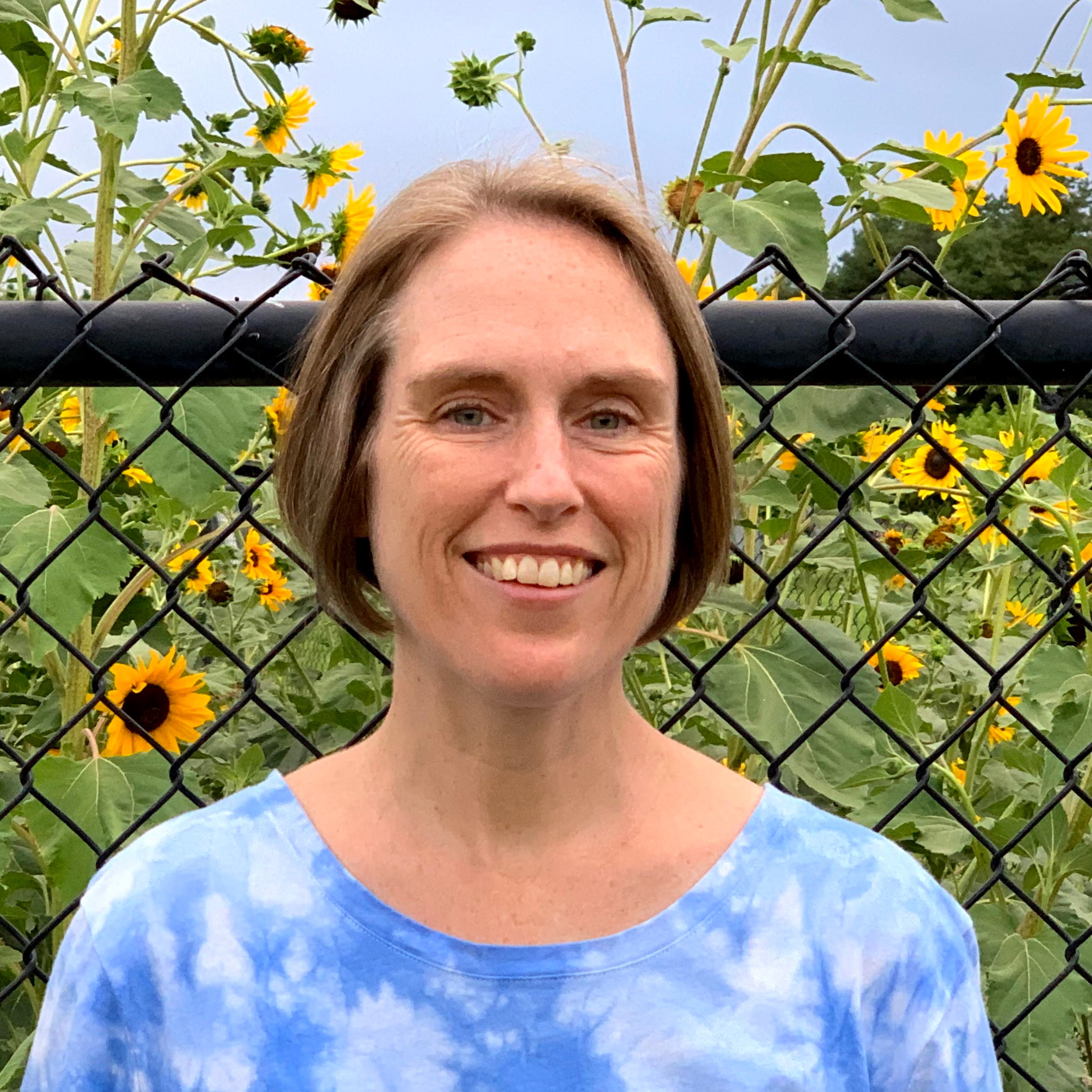
This is the "head shot" I sent
(my husband took it down by the Ashton's house on one of our walks a few months ago)

This is the picture I wish I could have sent.
It was taken of me and our grandson at the beginning of August. 

Monday, August 3, 2020

Chapter 25: Lifelong Learning

* I didn't feel well today, so I rested. However, I do still want to write something. I'm going to list the college classes I may want to write about in this chapter. (I returned the next day, August 4th, to write several paragraphs in place of the first three bullet points. I also added two pictures on August 15th and finished writing this chapter in a separate post that day.)

           Prior to beginning my official classes at Utah Valley University in fall 2015, I took an eight week class during the summer for adults making some kind of transition in their lives. This Successful Life Management class was offered through Turning Point and was held on UVU’s west campus. It was held twice each week and provided good practice for me to become accustomed to driving there and being on a school schedule again. At first, I chose the morning class, but ended up not feeling well one of the mornings. This program required that the class be made up that evening or you had to wait until the next set of classes to complete the program. So I attended the class that evening and it was clear almost immediately that this class was the one I needed to continue attending. The curriculum validated many of the changes I had already made up to that point. Since I was still continuing my visiting journey, it also gave me the opportunity to get to know more people. I made a point to talk with the students before and after class and became friends with two of the women. Sometimes, I talked with the teacher after class as well and felt a strong connection to her.

            This class required our attendance, but didn’t have homework or tests. However, we were each expected to make a poster that described us, which we would present during the final class. We needed to search magazines for pictures or words to use for this assignment, since we couldn’t write anything on it. A friend in our ward gave me a gift subscription to Country magazine earlier that year and it provided a variety of beautiful pictures to choose from. I decided to use the four seasons as a theme for my poster and focused on favorite activities or things I enjoyed about each season. Spring included pictures of purple wildflowers, daisies, daffodils, and rainbows. It also included  several phrases I pieced together: “Here comes the sun,” “you can change your life with every step,” “I’m always amazed by the beauty God made for us,” and “hope after the storm.” Summer included pictures of water flowing over rocks in a river, lighthouses near beaches, and sunsets, along with the phrase “walking on sunshine.” Autumn included pictures of leaves changing colors, blue sky over mountains, and the view of a full moon looking through Delicate Arch, since most of our family vacations have included Arches National Park in Moab, Utah. Winter included a picture of a little boy and girl holding hands while they walked through the snow, which represented our two children. I also included the phrase “walking in a wonderland” and a quote: “strong is the tree that bends with the wind then bounces back again.” That quote reminds me of the importance of flexibility and resilience, which are two character traits I’m constantly trying to develop. I was really happy about the way the poster turned out and John suggested that I frame it. So I stopped at Hobby Lobby on the way home from that last class, splurged, and had it framed in a large black frame with a medium blue matte. I hung it on the wall in our bedroom of the previous house and in my office of the new house. It is like a picture window looking outward to my dreams and a constant reminder of who I have become.

            When I began to take actual college classes, I realized that I needed to limit myself to six or nine credits each semester, so that I could save part of my energy for my family and visiting. It would take longer to earn a degree, but it would allow me to keep some balance in my life over the coming months and years. The goal to return to college and earn a degree is among the most difficult challenges I’ve faced and it stretched me beyond what I thought I could endure a few times. Even though I still had many stressful moments, I continued to apply the coping skills I learned over the previous years of challenging myself physically, emotionally, and socially. Another important element of my success was to attend every class (with very few exceptions) and not postpone doing homework or studying for tests. When I attended college for those two semesters as a young adult, I was overcome with anxiety and depression. However, some of that could have been avoided by steadier attendance and less procrastination. Because I allowed myself to take classes at my own speed, I enjoyed the process of learning overall, and ended up earning an associate degree with high honors – which means I earned all As (with one A- in Statistics, which was a true miracle!). I will share a few specific experiences in the paragraphs that follow.


            During my first semester in Fall 2015, I took Marriage and Relationship Skills and General Psychology on campus. In addition, I chose to take Foundations of Human Nutrition online (because I was terrified of taking college Biology and this class was a prerequisite to Nutrition 2020, which would mercifully fulfill my biology requirement). It’s not a coincidence that I took Marriage and Relationship Skills my first semester at UVU. The teacher was an adjunct professor and also an academic advisor in the Behavioral Science department. She had been through a divorce and was currently in her second marriage with several significant challenges. I was surprised at how open she was about sharing her experiences, but it created an atmosphere that felt safe for sharing our own challenging experiences. Since I was one of the only married people in that class, I ended up commenting a lot. I was open about the struggles I had over our differences in religious beliefs and used my situation as the subject of several of my papers. One of the books we studied was the Seven Principles for Making Marriage Work by John M. Gottman. An important lesson I learned from that book was to focus on solving the “solvable problems” (chapter 9) and “overcoming gridlock” with “perpetual problems” (chapter 11). Our differences in belief is considered a “perpetual problem.” One way to “overcome gridlock” is to “create shared meaning” (chapter 12). I realized I could do that by understanding the “shared goals” within my dream. My dream was to eventually have my family in the temple with me, but a strong component of that dream is the desire to have a happy, healthy family. So that became the important shared goal I could focus on, rather than constantly seeing the differences.

            As the semester progressed, I continued to feel strongly that I needed to connect with the teacher outside of class. There is a built-in familiarity barrier in the student/teacher relationship, but I really wanted to move past that. It helped that we were closer in age and we had several conversations after class that gradually overcame that barrier. We discovered we had some things in common and she convinced me to switch the emphasis of my Behavioral Science major from psychology to family studies. That way, she became my academic advisor for future semesters and we gradually became friends. I occasionally stopped by her office during each semester after that to discuss some of the struggles we had in common. I will always be grateful that I met her when I did because it was a key to my overall success in college.

            During this time, I also kept in touch occasionally by email with my teacher from Turning Point. I continued to ask if I could visit her one time as part of my ongoing journey. She finally agreed and met me at Kneaders one day in mid-November. She asked more about my faith journey at the beginning of our lunch and then I realized she had her own agenda for our visit. She had recently written a long paper with her husband about some controversy in the early days of The Church of Jesus Christ of Latter-day Saints. She wasn’t trying to argue with doctrine, she just felt that there was more spirituality to be found than the church was currently providing. She determined that I was inspired to ask for a visit with her so she could share that paper with me. I took it home and began to read it. Unfortunately, the combination of John’s unbelief and the different ideas I read in that paper caused me to have my own faith crisis. I talked over my concerns with two of my close friends several times and finally worked through them with their help. My Marriage and Relationship Skills teacher was a strong, supportive influence as well, although I didn’t share the details with her. My previous teacher continued to keep in touch with me by email and regretted giving the paper to me when she saw how it affected me. She asked me not to pass it along to anyone else, so I ripped it up and tried to move on. We have continued to be friends through email as well and I believe there was purpose in that struggle. I came out on the other end much stronger and more grounded in what I actually believe. That has served me well ever since.

            I became eligible for a scholarship from the Women’s Success Center at UVU because I took the class from Turning Point during the summer. I made the leap of faith, spent some time working on the essay, and applied for the scholarship. I later met with several people one day in an interview. They asked why I felt I deserved the scholarship, so I share my story of overcoming depression and anxiety through my visiting journey. They were visibly impressed and I earned a scholarship for the Spring 2016 semester. I still had some accommodations because of MS and my diagnosis of Bipolar II Disorder, although both were currently controlled well with medicine. My previous teacher/current academic advisor helped me apply for an exception, so that I didn’t have to take the required 12 credit hours for the scholarship. The appeal was accepted and I was awarded the adjusted amount of $1,000 just after the semester began. I was grateful for that assistance, especially since John needed to pay tuition for both me and our daughter.


            During the Spring 2016 semester I took Introduction to Sociology and Introduction to Western Religions. I continued my pattern of talking with both teachers after class and learned a lot from them – both in and out of class. Two papers were required for my Western Religions class, but I asked the teacher if I could combine them into one large paper. He agreed and I wrote the paper on C.S. Lewis and The Chronicles of Narnia. I focused on the religious aspects of the author and the books in the series. I was fascinated with what I learned from my research and, although writing a research paper was an extremely stressful experience for me, I was proud of the final result. The teacher was so impressed that he gave a copy to his dad to read and I earned 100% on it. That made all the stress and effort feel worth it. In addition, the one class I wasn’t able to transfer from BYU was humanities. Therefore, I still needed to fulfill my humanities requirement, which is one of the only reasons I took this class. Plus, the poor grade I received the first time around didn’t transfer to pull down my cumulative GPA. (So, literally nothing was wasted from my previous college experiences.)  

            My Sociology teacher was an adjunct professor who attended the Lutheran church and she had been married for about 40 years to a member of The Church of Jesus Christ of Latter-day Saints. So we spent a lot of time discussing religion and also life, in general. I walked her out to her car after class on most days, since she didn’t teach another class after ours and we continued our conversation while she smoked a couple of cigarettes before heading home. Among other things, talking with her helped me solidify my understanding of grace and I focused more on Christ’s grace in my life after that. One of the assignments for Sociology class was to attend another church and write a short paper about it. I chose to attend a Lutheran church close to our home on Palm Sunday and John came with me. It was a good experience and fit well with my Western Religions class also. I will always be grateful for the way both of those classes influenced my life for good.

Sunday, August 2, 2020

Title, Dedication, and Acknowledgements

I decided today on a possible title for the book I've been writing: 

Practice Makes Perfect Progress 

and Other Perspective Shifts for the Recovering Perfectionist

I wrote this dedication: To John, who always sees my potential and worth, even when I don't. 

I also spent several hours writing the Acknowledgements: 

            This book is the product of my experiences with hundreds of people. My sincere gratitude goes to all who have influenced me along my journey. It would be impossible for me to create a complete list, but I will take this opportunity to thank many people by name. I’ve grouped them into different periods of my life. Several people fit in more than one area, but I’ve chosen the one that best fits the way they influenced me most.

            To John, who is the hardest working and most selfless person I know. Thank you for choosing to spend your life with me. To Heather and Lance, for giving me the opportunity to be a mother. Thanks for your patience as I’ve learned and grown right along with you. To Max, who has brightened my days with his smiles, giggles, squawks, and snuggles.

            To my parents, Arnie and Cherie, who taught me by example the value of stick-to-it-iveness and service to others. Thank you for serving missions at BYU-Hawaii and Historic Kirtland, so I could have an excuse to visit those places. To my siblings: Natalie (Randy), Randy (Laura), Rob (Eve), and Cory (Karissa). Thank you for letting me visit you and your children when you lived in other states. To my grandmas, Lena and Lucile, who treated me special and passed along the desire to stay connected to my relatives.  

            To my walking friends: Corinne Jenkins, Becky Allen, Diane Knight, Kelly Chalmers; Brenda Warren, Terri Rino, Shari Soelberg; Michelle Linford, Susannah Reyneke, Bonnie Walker, Suzanne Fry; Janell Wright, Melissa Dunaway, Heather Rindlisbacher. Thank you for letting me shake my head out over and over again…and loving me through it all.

            To friends who graciously welcomed me into their homes: Susan and Doug Morrison, Ann Barlow, Cheryl Taylor, Kathy Schlendorf, and Kristyne Stephens. Thank you for countless hours of visits over several years.

            To our close neighbors (and their families) in both areas of Orem: Holly Jacobs, Christa Ringer, Michelle Chamberlain, Stori Misbach, Susan Verbic, Janet Davis; Shelby Russell, Joyce Nixon, Nicole Perry, Candice Gordon, Nichelle Jensen, April Hurt. Thank you for your kindness and patience over two decades.

            To thoughtful people who have made a difference for me spiritually or emotionally as they have served and loved me. 

Canyon View stake: Jan Martin, Joleen Black, Ruth Ann Smith, Ginger Fisher, Eileen Booth, Rob Chalmers, Mosbarger family, Diane McNeill, Colette Terry, Katie Fox, Ann Youngquist; Liz Livingston, Leesa Simmons, Paula Harper, Jennifer Greenwood, Allyson Riding, Rosana Sorensen, Karina McDonald, Sheryl Pryor, Jessica Deucher; Marlae Rindlisbacher, Sandi Monson.

Orem 6th ward: Brekke Felt, Angela Schill, Teri Walker, Jenny and Sarah Pachev, Katrina and Mike Johanson, Shersti and Jared Pearson, Tracy Smith, Brian Nixon, Joyce Henderson, Shane Frazier, Lois Park, Rebecca Armstrong, Debbie Wimpfheimer. 

Longmont, Colorado: Dave Kenison, Tom Reed, Gary Marison, Olivers, Mary Sue Russell. 

Tallahassee, Florida: Jackie Stone, Cathrie Long, Chris Kemp, Ann Cluff, Maureen Webb. Richard Chapple, Troy Mohrman, Ken (Hunter) Bergstrom, Laurie Tiedt. Thank you for caring.  

            To kind people who have helped me with temple work: Kathy and Alan Manwaring, Pam Petroff; Lisa Johnson and Bernotski family; Marti, Greg, and Jared Tuttle; Jenkins family and Ben Cragun, Dick and Mary Jackson, Julia and Ken Cluff, Linda and Marlan Platt, Lori Duke, Carolyn Davis, Catherine and Mike Kipp, Paul Christensen, Roger Minert, Helen and Brad Prescott; Noah and Tennyson Schill, Johanson girls, Cameron and Morgan Dopp, Renee Blumel, Jenna Wolfley and Richard Lindahl; various youth in the Canyon View Stake, and Orem 6th ward. Thank you for your selfless service.

            To good people who make my temple experience even better: Ken Kleven, Van Jaeger, Ron Bartalini, Sherry Cox, Kay Heath, Louisa Howard, Debra Elvin; Cheryl Esplin, President Freestone, President Stone, Brother Eliason, Gammons; Linda Olsen, Heather Bodine, Krista Tate, Pam Hansen, Patti Bell, Sherrie Johnson, Rebekah Westfall; Amy Christensen, Gay Bailey; Michelle Caringella, Renae Gale, Carolyn, LeeAnn, and all the others who have gone out of their way to help me in the baptistry. Thank you for brightening my days.

            To those who have cared about our children and helped them (or me) in different ways: Anne Miller, Sandee and Andres Sosa, Kate Plewe; Taralyn Sorensen, Gailan Smith, Debbie Carn; Tami Rasmussen, Meg Ernstrom, Deanne Allred, Andrea Allman; Carol Walker, Melissa Dabb. Thank you for making my job as a mom just a little bit easier over the years.

            To friends who helped me become even more clear about what I believe: Ruth Thompson; Christy Hurt, Dana Mecham, Aubree Patterson, Marcela Gubler; Tracey Hamilton, Chelsea Rasmussen. Thank you for helping me see things from different perspectives. To others who challenged me to learn how to love in ways I wasn’t used to yet: Pauline Colton, Alauna Hyland, Sue Burton, Victoria Myers, Clixie Larson, Renee Wakamatsu, Andrea and Phillip Cockrell, Marshall DeGroot. I’m grateful for what I’ve learned from our experiences together.

            To friends from my childhood, teenage, and young adult years (I will refer to them by their pre-marriage names): 

Tallahassee, Florida: Trista Whitley, Lori Clark, Marika Chapple; Danny Bishop, Tam Nguyen, Bill Roberts, Mike Poppell, Paul Kern, Joe Caceres; Petrea Schrader, Joel Bowers, Ben Fort; Sharon Flagg, Felicia Cooke; Cheri Wright, Kacey Lewis.

Longmont, Colorado: Kristina Marzano; Karna Reed, Janae Wheeler, Karen Farnsworth; Dave Cragun, Brent Patterson, Darin Moss; Mark Wheeler, Geoff Smith. 

Orem, Utah: Angie Millet; Lisa Lawson, Becca Collyer, Jenny Clawson, Ange Walker, Jodi Sorensen; Pam Hawkes, Becky Kirby, Rob Trent, Brenda Lopez, Kim Latimer, Vaughn Porter, Poché siblings. Thank you for helping me in your unique way to become who I am today.

            To missionaries and others who were influential during my experience as a full-time missionary (I will refer to them by their pre-marriage names): TyRee Jenks, Val Roden; Cheryl Bevan, JoAnn Stock, Jeanine Bird, Carla Peterson, Rebecca Benson; Liz Baumgarten, Lalena Page, Kathy Perkins; Wheeler family, Griffin family, Dalls, Whitts, Wanda Nielsen, Terrys; Pam Curran, Aja Werkheiser, Aurora Moon; Sisters Ha, Lopez, Farrier, and Gee; Neal Larson, Justin Rasmussen, Dick and Diane Morley. Thank you for your patience, love, and examples.

            To life coaches, therapists, co-workers, and teachers I’ve worked with: Kendra Huffman, Heather Frazier, Jody Moore, Brooke Castillo, Tracy Hoth; Megan Rogers, Julie Malloy; David Paulson, Jon Skidmore; Brad Edgington, Ryan Balagna, Mitch Suyama, Heather Hoyal, Vickie Anderson; Mark Hull, Sherry Smith, Pam Christensen, Lexi Sanders, Adam Whitehead; Wanda Black, Dave Rollins, Carol Lorek, Jane Rose, and Mrs. Landreth. Thank you for all the lessons I learned during our time together.

            To the teachers, students, and secretaries at the Utah Valley University Institute of Religion: Karen Hepworth, Polly Tullis, Cassidy Hubert, David Durfey, Chelsea Chipman, Emily Mitchell, Eric Shields, Cody Orvis, Kurtis McBeth, Tyler Bartholomew, Cedi Christensen, Maren, Daniel Bradley, Todd Murdock, Valerie Christensen. Thank you for strengthening my testimony, helping with temple work, and being such an uplifting influence in my life.

            To the professors, students, and others who helped with projects during my time at Utah Valley University: Bonnie Davis, Ken White, Chris Lee, Carolyn Hamilton, Bart Poulson, Kaitlyn Pacada, Brian Birch, Karin Anderson, Lisa Johnson; Paige Seegmiller, Malorie Ward, Kimmie Henderson; Tera Johnson, Jessica Hettinger, Kassidy Nielson; Alex Boone; Ronelle Warren, Shawna Schauers, Stephanie Wright; Cynthia Tavera and Lihua Lin. Thank you for helping me succeed in my classes, so that I could achieve my goal of earning an associate degree.

            To other influential people in my life who don’t fit easily into any of the paragraphs above: Bob and Shauna Millet, Leslie Williams, Margaret Hammond, Marina Spence, Kenzie Weeks, Bradstreet family, Lisa Nerdin, Kendra Terry Senn, Kelly Christensen, Cecily Smith, Guin and Max Deaver, Becky Swasey, and Erica Larsen. Thank you for your unique way of blessing my life. In addition, I wish to thank these musicians and authors: Hilary Weeks, Shawna Edwards, Kenneth Cope; Emily Belle Freeman, David Butler, Brad Wilcox, Steven Harper, Mary Ellen Edmunds, and Sheri Dew. Thank you for your uplifting influence on me and so many others throughout the world.

            Most of all, to Heavenly Father for orchestrating potential blessings behind the scenes and for answering my prayers; to Jesus Christ for the gifts of repentance, forgiveness, and grace that flow freely from His atoning sacrifice; and to the Holy Ghost who testifies of Them and fills my soul with peace. Everything I write about in this book was influenced in some way by Them. There are no words to express the gratitude I feel, but I’ve done my best to express it in a variety of ways in the following pages.

Friday, July 31, 2020

Chapter 24: Focusing Less on Outcomes (part 2)

            I attended the luncheon afterward to help serve dessert. While I was there, I met Dee’s sister-in-law and sat at a table with one of Janell’s nieces and her family. That helped me feel more connected to Janell. As I mentioned earlier, I met Janell’s half-sister on the day we found out about her death in April. Over the months that followed, we kept in touch by text and email. I also treated her to lunch and I appreciated the opportunity to talk with her again in person. She reminded me that Janell talked about our walks often. She felt that no one did more to help Janell be happy than I did before she died. I was so thankful for that privilege and opportunity that God gave me! About two weeks after our lunch, Janell’s husband died suddenly in mid-August 2014. I don’t think the timing of our lunch was a coincidence. Because we were now friends, I stood by her and her family at Dee’s graveside service. His ashes were placed in the grave with their daughter and Janell’s ashes had previously been placed in the grave with their son. After the service, I talked with the daughter of Janell’s half-sister and her two children. I don’t think that as a coincidence either.

            I ended up visiting Janell’s half-sister and niece several times in Saratoga Springs. I also met Janell’s niece for lunch a few times. They had returned to Utah from Seattle within that past year and, while they were up there, they became active in the church again because of the kindness of missionaries and several members of their ward. God obviously knew they would need to continue to feel His love after they returned to Utah, so I think that was also part of the reason I was supposed to knock on Janell’s door. Otherwise, I probably would have never met them, since they live 30 minutes away from me. My friendship with Janell’s niece continued and we met at the temple several times. This strengthened her to deal with some difficult circumstances in her life and it was also good preparation for when we did Janell’s temple work on May 12, 2015. I was so grateful for the privilege of being with Janell’s niece when she did the initiatory and endowment for her aunt that I loved. At one point, I just held Janell’s temple card to my heart and hugged it because I loved and missed her so much. That day was filled with feelings of great joy. The Lord had clearly been orchestrating this whole situation from the beginning. There is more to this story, but I will continue telling it in a future chapter.

 ***

            Meanwhile, I continued to visit women in our stake. I visited one woman on May 7, 2014 (which was 15 days after Janell passed away). During our visit, she asked me to try to help her daughter, who had also struggled with serious depression for over 20 years. I knocked on her daughter’s door each of the following days and she finally opened the door four days later on May 12th (which was exactly one year prior to the day that Janell’s niece and I completed her temple work). She invited me in and we quickly became friends. She was extremely overweight and deeply depressed, so we started walking together when she returned home from work on most days. Janell and I had walked in the afternoons as well, so each walk helped to heal my heart. Most of the time, this friend picked me up after she decompressed from work and we usually drove up the canyon to walk by the river. That beautiful, relaxing atmosphere was the perfect venue for gradual changes in her life

            I learned more about her life each time we walked and talked. She self-harmed by cutting her arms for several years and both arms were covered with scars. She was the middle daughter in a family of nine children and felt neglected on several levels. She had been in a relationship with a verbally abusive boyfriend for a few years and didn’t stand up for herself because she felt that she didn’t deserve to be treated any differently. She stayed in the relationship because her boyfriend had MS and his health was progressively deteriorating, so it gave her life some purpose to help take care of him. When they started dating, he asked her to stop cutting and she did, so she also felt indebted to him for that. She was actually diagnosed with Borderline Personality Disorder, in addition to depression, and that manifested itself in several other ways. She constantly dyed her hair different colors and would often wear different styles of wigs over her hair as well. She eventually shaved her hair completely and continued to just wear wigs instead. As I observed this over several months, I realized that it was probably because her hair was one of the only things about her life she had any control over. She also had limited money management skills and spent most of her paychecks on clothes, purses, and eating out. She often let her mail pile up and wouldn’t open her bills, so she was sent to collections several times, along with some of her wages being garnished.

            I tried to help her through some of those difficult circumstances with varying degrees of success over the following 2 ½ years. After knowing her for a couple of weeks, I felt prompted to suggest that if she stopped eating out for most of her meals, she would have enough money to pay all her bills, she could start paying tithing if she wanted to, and would probably lose some weight as well. I’m normally not quite that bold! She actually listened to me, even though she could have easily chosen to be very offended. As a result, she lost 70 pounds during the next year and felt better emotionally because of our regular walking. She sometimes forgot to fill her prescriptions, so I always offered to go with her to make sure she picked them up, since it was very important for her mental stability. I often walked over to her basement apartment to visit her and helped her redecorate in August 2015. She chose some of her favorite patterns from my scrapbook paper and I cut out large letters to make an uplifting saying for her bedroom wall, at her request. The phrase she chose was, “When you learn you grow. When you grow you change.”

            She was stable enough to have the same full-time job for several years, which was a huge accomplishment. However, she constantly struggled with her finances. After about a year of watching her flounder, I asked if she would like some help, since I have a talent of keeping track of our finances. I helped her make a budget, but she struggled to follow it. I showed her how she could pay off some of her credit cards and even went with her to the bank, but she always maxed out the balances again. After a few weeks, we decided to add her accounts on my Quicken program, so I could help her track her spending. She made progress for a few days and then she would blow all her money on wigs or purses. This pattern occurred frequently and it was frustrating for me, but I continued to try to help her. I discovered during this time that she always remembered to pay her car payment. I asked her why that was different and she explained that the title was in her boyfriend’s name, since she couldn’t qualify for a loan, and she didn’t want to ruin his credit. I realized that the car was another way he could control her. So we worked on several different plans for her to pay off the loan and then she could arrange to have the title transferred to her name. During this same time, I tried to build up her confidence even more than I had in the past and tried to convince her that she deserved to be treated well. She started to believe me, but  never felt like she could break up with her boyfriend because that would include returning the car and she had no way to pay for one herself. Each time she would return from spending the weekend with him, it took me days to build her back up again. That became more and more difficult the longer it went on.  

            In August 2015, I felt strongly that I needed to help her in a way I hadn’t before. I made a few judgement calls to help her pay off and close some of her credit cards, so she could pay down the car loan faster. Then we made a simple plan for her to consistently pay me back over the coming months as well. It worked for about five paychecks and then she found ways to start blowing her money again. The more I tried to help her, the more things spiraled. By October 2015, it looked like I would never get the remaining $1,500 back and that really discouraged me because I thought I had followed promptings. I was also sad because she gained back most of the weight she lost over the previous year. I returned to college that semester, so I didn’t have as much time to spend and she pulled back as well. She rented from a family member and they decided to move, so that meant she had to find a new place to live also. I helped her declutter, clean, and pack up her apartment in late spring 2016 and then helped her move into another small basement apartment in June 2016. I visited her a couple of times to help her get organized, but I didn’t find her home much after that. One time, I did find her home and I spontaneously took her out to dinner at her favorite restaurant. We talked about how she was feeling in the relationship with her boyfriend and she had finally decided to break up with him. She was scared about the retaliation, though, so we discussed a few different scenarios. I didn’t see her much during fall 2016 and I worried about her, but couldn’t force her to communicate with me.

            During that time, she started dating another guy. He encouraged her to grow her hair back out and to stop hiding behind wigs. He also helped her return the car to her ex-boyfriend late one night with an apology note that she wasn’t able to continue paying on the loan. He comforted her through her episodes of depression and encouraged her in other ways as well. They found an inexpensive car to share and she ended up moving out in January 2017. She texted to ask me for money, but I had to tell her no, which I felt bad about. I just couldn’t afford to lose more than I already had. They rented a small house in a poor, kind of scary, neighborhood in Salt Lake county and began living together from then on. I drove up to treat her to a birthday lunch in December 2017 and she still seemed to be doing okay. She surprised me by sending a wedding announcement in August 2018. I helped served lunch at the church, attended the wedding in her parents’ back yard, and stayed to help with refreshments during the reception that evening. That was the last time I saw her and I hope she’s doing well, since she doesn’t respond to my texts. I sometimes think back to the early days of our friendship when she told people that “God dropped me on her doorstep.” I do believe I was in her life to help her in the ways I could and I’m grateful for the time we shared together.

***

            During my visiting journey, I met three other women who struggled deeply with depression and needed a significant amount of support. Two of them were single and both of their moms passed away during the time I was trying to help them. I stood and sat by one of them at the viewing, funeral, graveside service, and luncheon to try to be supportive. Both were borderline hoarders and I spent several months during summer and fall 2017 helping one of them organize the basement of her parents’ house where she still lived. However, every time I went back over, the progress from the previous time had disappeared. It drained my energy and was very discouraging, so I eventually had to take a step back from helping her in that way. However, I did help her move all her preschool equipment twice, which took several days each time. I also helped the other woman move into an apartment in Provo. I walked and talked with them as much as they would allow me to and that seemed to help their emotional state. One of them earned her master’s degree online during those years and is now employed part-time as a therapist. I earned my associate degree during that same time frame, so we encouraged each other through the almost constant stress we both felt. These two women still struggle and have ongoing challenges, but I was grateful for the opportunity to help in whatever way I could over several years.

            The third woman moved from our ward after she and her husband retired. While she still lived in our neighborhood, she struggled with depression and debilitating anxiety for many years. She had complications from a hip surgery that made it difficult for her to walk and also suffered from congestive heart disease. After they moved to a retirement community in Pleasant Grove, her anxiety and depression became even more difficult for her to bear. One day in 2015, I was driving to the Mt. Timpanogos Temple and felt prompted to text her. I stopped by the next time I was in her area and that began the extensive amount of time I spent in her home trying to uplift and comfort her. She often texted me in between the visits and I tried to give her hope until the next visit. She was too anxious to drive very far and feeling trapped at home was part of her struggle. Sometimes her husband dropped her off at a hair salon and I would sit with her to keep her company. Then I would drive her back home. I encouraged her to drive when I was there and just tried to keep her calm from the passenger seat. Often, we would drive to Subway or Purple Turtle for lunch that way. Two other times, I attended an appointment with her psychiatrist and also with her cardiologist to provide moral support.

            After three years, nothing I did or said seemed to help for more than a couple hours. I felt exhausted trying to balance my visits with her, helping two of the women I wrote about previously, keeping up with my college classes, attending the temple regularly, and trying to still have time for my family. Finally, I made the difficult decision to stop visiting her, but we still texted back and forth quite a bit for 1 ½ more years. She sent me a text on the night our grandson was born in January 2020 to tell me she was having heart bypass surgery the next day. I had a strong feeling that she wouldn’t survive the surgery, so I texted back that I would pray for her, told her again how much I loved her, and that I was grateful for our friendship. She passed away from complications later that week. I attended her funeral and couldn’t help but be grateful, even though I was sad, that she was finally free of the mental and physical challenges that had plagued her for so many years.

            My time with each of these women helped me to understand that it’s important to try not to worry about the results when you reach out to others. Kindness or service to others doesn’t need to end in a certain result for the kindness or service to matter. I believe that my kindness mattered to Janell even though that situation didn’t end at all like I hoped it would. I believe it mattered to the others also, even though I wasn’t able to do as much as I wanted to for them. In another type of service, missionaries spend most of their time planting seeds. The changes in people’s lives usually take a long time. I continue to remind myself to not be overly concerned with the outcome of my efforts.


Thursday, July 30, 2020

Chapter 24: Focusing Less on Outcomes (part 1)

* I woke up in the middle of the night with heartburn, which rarely happens anymore. So I got up and worked on this part of the story between 4:30am and 6:30am this morning. I still have more to write, but I will post this and come back to finish it soon.

            The main way the Spirit works in my life is that it prompts me to some kind of action. There are countless experiences I could share about this, but the one I want to focus on is how I met Janell. At the end of January 2014 (almost five months after my original prompting), the sister missionaries asked if they could stop by. I agreed and they showed us a video about doing missionary work in our everyday life. That prompted me to put several names on the temple prayer roll the next time I was there and Janell was one of them. Since I was out visiting people on most days, my hope was that the Lord would cross my path with hers. A couple weeks later in mid-February, I walked to the retirement community near our home, which was something I did regularly. I was helping a friend with several of her temple names and I tried to return the completed card each time. My friend wasn’t home that day, which was unusual, because her husband suffered from the advanced stages of Alzheimer’s disease. As I left her driveway, I was strongly prompted to knock on Janell’s door. She lived next door to this friend, but I never knocked on her door before because a few people in our ward had advised me to not attempt to visit her, since she was no longer interested in attending church.

            She answered the door and I had a brief conversation with her. I explained in my typical animated way that I was enjoying getting to know many of her neighbors to help overcome the social anxiety I had experienced for several years. I asked if I could call her to set up a time to come back and visit her also, since she didn’t have much time that day. She agreed, but I think it was mostly because she didn’t want to reject me entirely, since I explained my desire to visit her in such an enthusiastic way. I called her a few hours later and reminded her who I was. During the beginning of that call, she said (and I quote), “I am a psych nurse. Are you sure you’re not having a manic episode?” Even though she said it rather rudely, I just tried to laugh it off and explained again that I just wanted to get to know more people. I sincerely emphasized that “I used to think people were the problem and now I know people are the answer for me.” She wasn’t completely convinced, so I asked if I could call her back again sometime. I was feeling a sense of urgency, so I called her back two more times over the next few days. She was difficult to talk to at first, but I felt some hope because she continued to answer the phone and I’m fairly certain she had caller ID.

            During those conversations, I learned she was a convert to the church, but hadn’t attended in years. I promised her that I wasn’t trying to visit her because of a calling or church assignment, I just sincerely wanted to know her better. On the third call, I let her know that I wouldn’t keep bothering her if she wasn’t interested in developing a friendship. However, she genuinely surprised me by calling back a couple days later. We talked for almost 45 minutes about some really important and difficult things in both of our lives. For example, she shared that her only daughter had taken her own life in 1992 when she was 16 years old and that her only son had died in their bathtub from a drug overdose in 2007 when he was 25 years old. I think she thought telling me those sad experiences would scare me away, but I listened carefully and expressed as much empathy as I could for those deeply tragic losses. At the end of the call, I asked her if I could come over and visit her in the next few minutes and she agreed. I was so grateful for the trust that showed.

            I immediately walked over to her house after that phone call. Instead of being hesitant that time, she opened the door wide, smiled at me, and gave me a hug. I had quickly printed out a list of things that helped me overcome the debilitating depression I had experienced. I gave her that paper, along with a favorite kind of protein bar, since we had discussed a couple of simple physical fitness ideas during our phone call. I asked her if she would ever be interested in walking with me because I wanted more than anything to do something to help people who had experienced depression like I had. To my surprise, she said she would like to try that. So we decided right then that we would start walking together on weekday afternoons. It became very clear to me during our first walk that she was extremely depressed, so I didn’t know how much I could actually do to change her situation. However, as I discussed at the beginning of chapter 19, I learned from John Lund that all I needed to do was “love much and do what I can do.” The two things I could try to do were to walk with Janell as often as she would let me on weekday afternoons and try to bring joy and cheer into that small time I spent with her. I didn’t know how I could really make a difference for her, but I was willing to try to help in my small and simple way.

            My love for Janell grew quickly during the handful of walks we went on, even though we had very little in common. As we were walking back to her house one day, we talked with the woman who lived next door to her on the other side. She explained that she was planning to have those same sister missionaries over for dinner later that week and invited both of us to join them. I don’t think Janell would have agreed under any other circumstance, but I had already explained that I believed their message was the reason I was brave enough to knock on her door in the first place. Later that week, I returned to her home about a half hour before that dinner was supposed to happen. She invited me in to keep her company while she finished getting ready. Her husband, Dee, had started calling me “Wendy bird” (a reference to the Disney animated movie, Peter Pan) when he opened the door before some of our walks. Janell officially introduced me to him. Then I followed her back to their bedroom where I sat (and bounced a little) on her tall, comfy bed and talked with her while she finished getting ready for the dinner. I was a little nervous too, since I had rarely been to dinner at other people’s houses before. Most of those dinners had been when I was serving as a full-time missionary and they often made me feel anxious back then also. It ended up being an enjoyable dinner, though. One of the missionaries was very casual and fun. I remembered that from when they visited my house. She helped us both feel much more comfortable than we would have been otherwise, since we found out that the husband of the woman who had invited us had served as a full-time mission president several years earlier. I walked her home after dinner and gave her a hug.

            I think Janell and I walked a few more times after that and I was planning to walk with her for as long as she would let me. Unfortunately, she also took her own life over Easter weekend in mid-April 2014 (after we had only been walking together for just under two months). I called on the Monday after Easter to see when Janell would like to walk that afternoon. Dee was hesitant when I asked to talk with her and then, after a long pause, Janell’s half-sister picked up the phone. She felt sad about being the one to break the news to me and I remember just crumpling to my knees with tears streaming down my cheeks as she explained the few details she knew about what had happened that weekend. After we both cried as we talked for those minutes, I asked if she would allow me to come over and give her a hug in person. She agreed and I continued to cry as I told my husband.

            I then walked, with tears still streaming down my face, over to my good friend’s house who was serving as the Relief Society president. She was as shocked at hearing the news as I was, since I had talked to her about my happiness over the  progress I was making with Janell during our morning walks with the other women in the ward. She asked if she could call the bishop to tell him and I said that would probably be okay. Then she agreed to walk over to Janell’s house with me and I was so grateful for her support. The bishop drove over before we arrived to ask if the ward could help with a funeral. Dee agreed to a luncheon for the extended family after the graveside service, since Janell would be cremated. Our visit was more casual than that one and it was a comfort to Dee and Janell’s half-sister. My friend’s dad had taken his own life years earlier, so she expressed sincere empathy to them. Janell’s half-sister told me again that Janell had talked with her several times about the walks she had been on with me. She told me that she didn’t believe anyone else could have coaxed Janell out of her dark house and into the sunlight. I was so sad, but also very grateful for that confirmation of Janell’s friendship with me. She hugged me and then my friend and I slowly walked back home. Since my friend was the Relief Society president, she had asked for a rough estimate of how many would be attending the luncheon. So she was able to start planning for that with several other women in the ward after she walked me to my doorstep. I was grateful for her love and support, since I felt like I was still in shock over the situation. She gave me a long hug and then left.

            I attended the graveside service a few days later and took the opportunity to share a few thoughts at the microphone. When I found out what happened that Monday afternoon, I was devastated. I seriously wondered what all that time spent with Janell had been for because I really thought I was in her life to help save her life. However, God helped me know unmistakably that it was because He loves Janell and her family. Looking back, I was able to have a “goodbye” talk with her on one of our walks shortly before she died. I asked her what she thought of me when I first knocked on her door a couple of months earlier. She confirmed that she thought I was kind of crazy and we both laughed. (That seemed to be the consensus with most women I visited. Most of them thought I was trying to sell them something at first. They always seemed pleasantly surprised at the end of our visit that it actually was only about building a friendship.) Then I asked her what she thought that day as we were on that walk. She said something similar to her half-sister. There was no one else who could have convinced her to leave her dark house and walk out in the sunshine. I reminded her that I knocked on her door because God loves her and He wanted her to feel His love through me. Just simple, little me. I could tell that she was softening toward the gospel as we talked and walked and I believe she definitely left this life going in the right direction. I have always appreciated a quote by Neal A. Maxwell that says “Eternal things are always done in the process of time…. Direction is initially more important than speed”  (Relief Society Personal Study Guide 2: Learn of Me, “Love Within the Family,” p. 95).


Monday, July 27, 2020

Chapter 16: Connection is Critical

* I have pieced this together several different ways and I still think the paragraphs need polishing. I'm going to come back to it with fresh eyes another time. (I added more content and rearranged several more sentences on July 28, 2020.)

            The final missing link for me was connection with the people around me. I never fully realized that because of the social anxiety I felt for so many years. However, being with people has made all the difference. Dr. Brené Brown is a famous researcher, author, and speaker who has studied connection and empathy for many years. I learned from her that connection is what gives meaning and purpose to our lives. 
            The original prompting to “know more people in the stake” happened on the evening of September 4, 2013. God went big with that prompting. He didn’t tell me who I should know, so I figured I just needed to try to know everyone. I started with women in my ward (church congregation) and neighborhood. Then, I gradually branched out to the other wards in our stake (since that was the word used in my prompting). I continued to receive promptings and, as I acted each time, I was gradually able to face and overcome my fears. Visiting with women helped me to regularly challenge my social anxiety and I began to focus on problems and struggles outside of my own. When I knew more about the women, I could begin to love and serve them. Plus, I learned something from every person I spent time with and that helped me to continue to progress. As I practiced visiting, my courage and capacity increased. God knows how to do His work and miracles occurred during the time I spent with several women.
            People sometimes wonder how I decided who to visit. At first, I just tried to act on any opportunity to talk with people, since each conversation helped me to more fully face my fears. Then I began interacting with people in a much more deliberate way. It started with making a goal to meet as many women as I could before and after stake activities. As I developed more courage, I looked over ward lists and called or emailed women whose names stood out to me to see if they would let me visit them. Sometimes, I would just knock on doors of the houses I felt drawn to while I was out walking each day. Occasionally, the women I visited would give me a name of another woman that would benefit from a visit. At one point, I was strongly inspired to visit all the Relief Society presidents and bishop’s wives in the stake as well. I also spoke directly to several of the bishops to find out the needs of the women in their wards. Three of the bishops gave me a name of a woman in their ward who struggled with depression. At first, many of the women thought I was selling something, but they were pleasantly surprised when that never came up in our visits. 
            A few months into the visiting, I realized that I was supposed to consider this as an unofficial full-time mission, so I visited for several hours on most days for 23 months. (I had two surgeries during that time, so I wanted to make sure I gave the Lord the full 18 months.) I wanted to show God how I would have served with my whole heart on my actual full-time mission in 1993 and 1994 if I hadn’t been so depressed and anxious for most of that time. I continued to visit on a more casual level for several years after that as well. I ended up visiting approximately 500 women in our stake and I eventually stretched myself even more to visit old friends. My visiting journey took me all over the Wasatch Front of north-central Utah (as far as Payson in the south, to Saratoga Springs and Eagle Mountain in the west, and as far as Layton in the north). The whole process was Spirit-led and I really didn't have my own agenda. 
            Visiting gave me opportunities to learn how to develop close friendships and to help other women who also struggle with emotional or physical challenges. I am so grateful for the lasting friendships I developed with several of the women in my neighborhood. I learned from Brené Brown that connection is a result of being authentic. In order for connection to happen, we have to allow ourselves to really be seen. Because of our close connection, we shared very important and personal details about our lives with each other, which helped us feel validated, encouraged, and loved. These friends have helped me through many challenges and I've been grateful for the chance to support them in some of their challenges as well.         
            During my visiting journey, I decided I would try to be “the friend of the friendless.” That way, they would each have a friend and I would have more friends as well. Learning to visit helped me take the focus off myself and my own struggles. My perspective gradually switched to other people and how I could help them. Most of the women I was prompted to visit needed what I had to offer and I even started walking or visiting regularly with a few who struggled with depression. They knew they could trust me because I was able to show them empathy from my similar experiences. I learned from Brené Brown that empathy fuels connection. It is being willing to recognize another person’s perspective. It is staying out of judgment. It is recognizing emotion in other people and then communicating that. Empathy is feeling with people. It is expressing that you know what it feels like to be overwhelmed and that they are not alone. As time went on, I gradually learned that I didn’t have to be at the same level of friendship with everyone, which was an important distinction for me to understand. 
            Later, I was asked on several different occasions how I coped with feeling overwhelmed, used, or burned out in the process of trying to help people with ongoing difficult struggles. I have compiled a few of my answers that continue to be a good reference for me. The main answer is that Jesus is the only One with the power to save us. Our part is to turn our lives over to Him and to point those we love and are concerned about toward Him. Sometimes, our wells may feel like they are empty while we are giving all we can and trying to help people who need a lot of attention. The best way I have learned to handle that is to always pray for them and then turn the situation over to God after we have done all we are able to do each day. If we focus on building and strengthening them, they will be more able to overcome their own challenges with God’s help. During the whole process, it is really important to love people right where they are. This also includes ourselves! We need to learn to see the good in others while we are trying to help them overcome bad habits or challenges and reach the potential they may not even see yet.         
            As I went along, I realized “there are several ways up a mountain” and I needed to find different ways to reach the women I hoped to visit. I needed to learn to trust my instincts and be willing to accept rejection. I gradually learned to be “thick skinned” and vulnerable at the same time. I had to be okay with most of the women not wanting me to come back for a second visit. (I visited approximately 500 women, but I visited many of those women more than once. I ended up visiting the ones who needed the most help several times.) Some visits were very uncomfortable and I often stumbled over my words. To this day, I’m not sure why I was supposed to visit a few of the women. During those particular visits, I reminded myself that there will never be a time when it is okay to not be kind. This also applies to challenging relationships with a family member or someone we are trying to help in general. God can help us find the balance of maintaining boundaries and being assertive, while still being kind and loving. We may need to reevaluate occasionally how we can be less rigid or judgemental in our interactions with other people. If there are differences in religious belief, it’s important to remember not to dilute doctrine, but we can always soften the way we interact with people.
            In summary, I was still very anxious in the beginning. At first, it was all about me – until I figured out what I needed to do. I used to not understand how I could serve people because I don’t cook, sew, or have other obvious talents. However, God gradually showed me what I could do as I continued visiting and He gave me the confidence to stretch out of my comfort zone to do it. I learned to look beyond my own needs and made myself vulnerable in the process. Occasionally, the anxiety would overwhelm me again and I had to remind myself why I was visiting in the first place. The original prompting continued to build my confidence, though, and I knew it wasn’t about me anymore. This journey changed my life in significant ways and I will never be the same. Instead of hiding, I learned to look outward. I truly found myself as I lost myself in loving and serving other people. 

Sunday, July 26, 2020

Chapter 20: Observe and Serve

* It took me all day to piece this post together. I was very discouraged, but I'm grateful that I was able to push through it.

            Linda K. Burton gave this helpful counsel, “For some, serving or ministering one by one, following the Savior’s example, doesn’t come easily. But with practice, each of us can become more like the Savior as we serve God’s children. To help us better love one another, I would like to suggest four words to remember: ‘First observe, then serve’” (“First Observe, Then Serve,” Ensign, Nov. 2012). I learned a lot about that from the first two homes I was inspired to visit. My first visit was to a woman in her 80s. Her husband died many years ago and she wasn’t able to drive anymore. I had already developed the habit of attending the temple weekly over the previous two years, so I took her to the temple almost every week between September 2013 and November 2015. I really appreciated the opportunity to serve her in that way. 
                The second visit was to a woman about my age. I had communicated with her previously by email, but had never been in her home. During our initial visit, I learned that she, her husband, and their children had many struggles in several areas – physical, emotional, spiritual, financial, and social. Her mom lived there too and I ended up visiting them almost every day for over a year. They helped me to develop the confidence I needed to continue visiting many other women. Since I was in their home so often, I learned how to observe what needed to be done and then I would choose one task and try to do it. I don’t have very many talents or skills, but one thing I could do was take out their garbage. So I did that almost every time I went over. I also swept the floor in their front room and did their dishes a few times. I raked up all their leaves once and mowed their lawn another time. Occasionally, I drove my friend to the store and, sometimes, I contributed money to help them buy their groceries. Unfortunately, it didn’t seem to make much of a difference overall, but it showed her that I really cared and wanted to help where I could. During that process, I learned the concept of "practice makes better."
                After a few months of visiting them, my friend's mom decided to renew her temple recommend. Then she started attending the temple with me and the other older woman almost every week. After a while, she began working on her family history again. Since she was baptized as a young adult, she was the only member of the church in her extended family. So there was a lot of work to be done and I began helping her with it when we would attend the temple each week. One general lesson I learned from that experience is that, in the beginning, I was probably enabling them to continue in their old habits, even though that wasn't my intention. I also learned that I couldn't fix their problems for them, no matter how hard I tried. However, as I spent more time with them, I started to realize that my friend's mom was becoming stronger because of her time in the temple. She was able to make some improvements in her own life and I believe that started to have a positive effect on others in the home. She was able to take some positive steps once the Lord helped me to get the ball rolling.   
            There is a verse in The Book of Mormon: Another Testament of Jesus Christ that provides some additional guidance about how to serve. “…Impart of your substance to the poor, every man according to that which he hath, such as feeding the hungry, clothing the naked, visiting the sick and administering to their relief, both spiritually and temporally, according to their wants” (Mosiah 4:26). Two phrases stand out to me in that verse. First, we can’t give what we don’t have. Therefore, it's important to do all we can to build up a surplus of physical energy, spirituality, and financial savings. This occurs gradually like drops in a bucket. Focusing on steadily building up these reserves is helpful in our own lives, but it also allows us to share our blessings with others. If we don’t have financial reserves, we can regularly declutter the excess “stuff” in our lives and donate it to people who need it more than we do. Second, sometimes we don’t think about serving people according to their wants. However, I believe that’s more like the way WE would want to be served. When people begin to feel more comfortable in their difficult circumstances, our love will probably be felt in a much deeper way than if we only focused on the bare minimum need. Conversely, we may attend to someone’s surface wants and discover, in the process, the core need they aren’t broadcasting. When we are in tune spiritually, those needs often become more apparent. 
                Spencer W. Kimball explained, “God does notice us, and he watches over us. But it is usually through another person that he meets our needs. Therefore, it is vital that we serve each other … In the Doctrine and Covenants we read about how important it is to '… succor the weak, lift up the hands which hang down, and strengthen the feeble knees' (D&C 81:5). So often, our acts of service consist of simple encouragement or of giving mundane help with mundane tasks, but what glorious consequences can flow from mundane acts and from small but deliberate deeds” (“Small Acts of Service,” Ensign, Dec. 1974). 
           Jesus "went about doing good" (Acts 10:38) and we can too, in both small and big ways. Doctrine and Covenants 58:27-28 gives some additional insight, “…Men (and women) should be anxiously engaged in a good cause, and do many things of their own free will, and bring to pass much righteousness; For the power is in them…” There is no greater cause than to reach out in love to others. One of the ways to increase that power is to practice observing the needs around us. M. Russell Ballard explained, “Great things are brought about and burdens are lightened through the efforts of many hands ‘anxiously engaged in a good cause.’… There is one simple daily practice that can make a difference… In your morning prayer each new day, ask Heavenly Father to guide you to recognize an opportunity to serve one of His precious children. Then go throughout the day with your heart full of faith and love, looking for someone to help…. If you do this, your spiritual sensitivities will be enlarged and you will discover opportunities to serve that you never before realized were possible” (“Be Anxiously Engaged,” Ensign, Nov. 2012).
            I once taught a lesson to the women in our church congregation and several phrases stood out to me. “The thoughtful little things of life” add up. “These acts of kindness were not isolated occurrences but part of a lifelong pattern.” When we remember that “God is our Father, and that we are his children, and that all men are brothers and sisters in the same eternal family,” we can pray for a greater “desire to love and bless” those around us. “I think if all men knew and understood who they are, and were aware of the divine source from whence they came, … they would have feelings of kindness... for each other that would change their whole way of living and bring peace on earth” (“Love and Concern for All of God’s Children,” Teachings of Presidents of the Church: Joseph Fielding Smith, p. 254). The two great commandments, to love God and to love our neighbors as ourselves, build on each other (See Matthew 22:37-40). Learning to love ourselves is part of building up the surplus I was referring to earlier. The more we love God, the easier it is to learn to love ourselves. When we love ourselves, we have more confidence and desire to reach out to others in love and kindness.  And we love and serve others, we are showing God how much we love Him.
             Jesus taught us to leave the 99 to go after the one who is in need of spiritual or physical help. It seems to me that we all take turns being the one. We all need saving. We really do need each other. Living these two great commandments and following the Savior’s example of love may seem difficult or overwhelming to us. However, it is really the simplest way to think about the gospel as a whole. I love this picture of loving hands. 

We can wipe a tear, hold a hand, give a pat of encouragement, or lift someone up with our hands. If we are trying to act as hands on earth for Heavenly Father and Jesus to work through, we are truly living the gospel.